In this 100th Black History Month, we celebrate the legendary technologists of Bell Labs
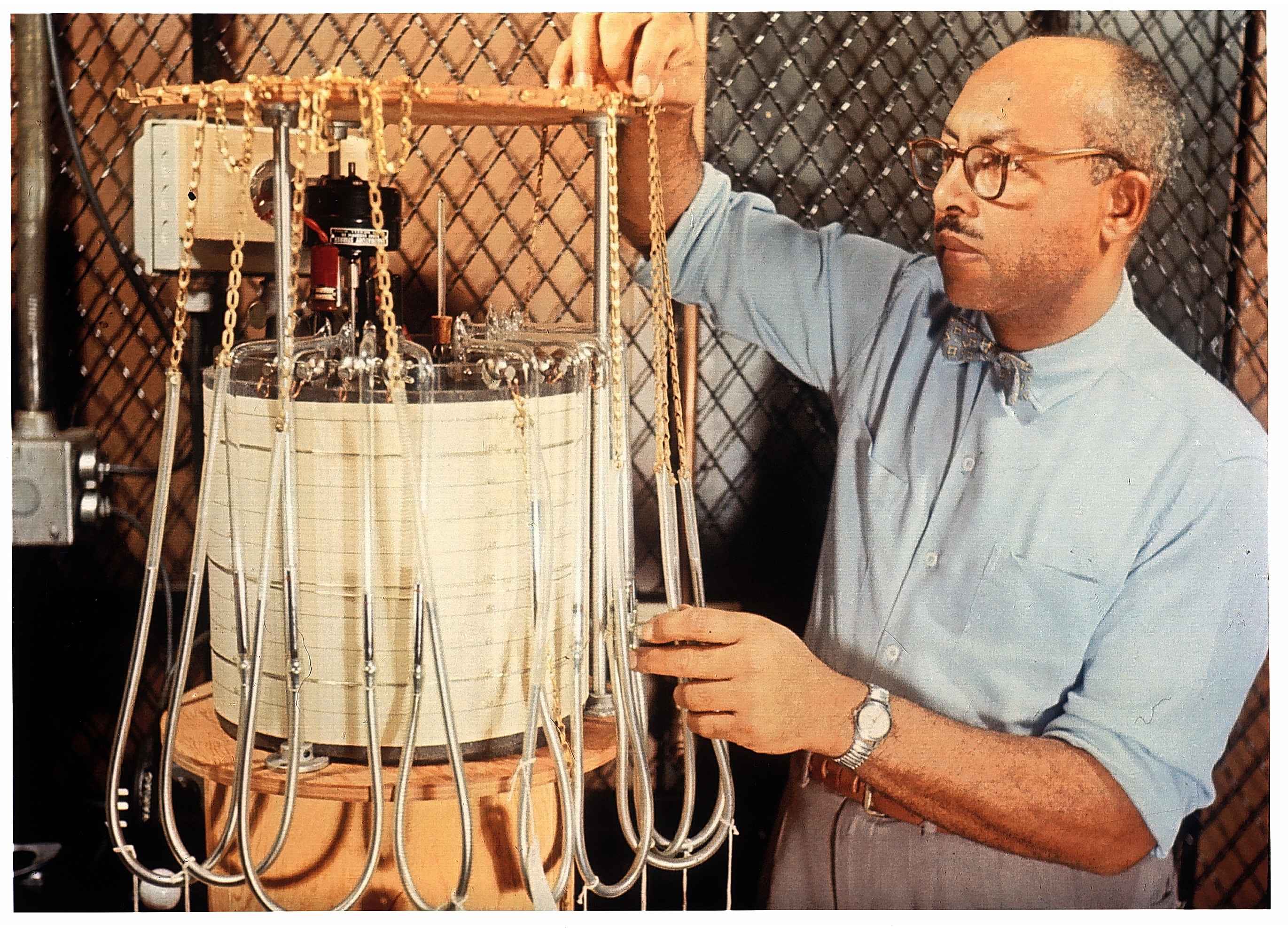
Five years before Brooklyn Dodgers legend Jackie Robinson famously broke baseball’s color barrier, becoming the first African American to play in the Major Leagues, another future Hall of Famer scored a similar, though far less publicized, breakthrough.
In 1942, chemical engineer Walter Lincoln Hawkins became the first Black scientist on staff at Bell Labs. During his 34-year career, Linc, as he was affectionately known, filled a variety of key roles at Bell Labs and specialized in polymers for telecommunications. He notably developed a plastic impervious to ultraviolet radiation that helped protect phone cables and enabled cost-effective universal telephone service. In 2010, he was posthumously inducted into the National Inventors Hall of Fame.
“Everybody knows Jackie Robinson. Very few people know of Lincoln Hawkins. So, he's my hero,” said James West, another prominent Black inventor at Bell Labs, in a 2020 interview with the U.S. Patent and Trademark` Office.
This February marks 100 years of Black History Month. As we celebrate this centennial, a year after Nokia Bell Labs’ own centennial, we honor the legendary Black technologists like Linc Hawkins and Jim West who have left an indelible mark on our research.
“Nokia Bell Labs is well known for its many innovations that have impacted how we live and communicate. But far less known is our legacy of African American inventors,” said President of Bell Labs Core Research Peter Vetter. “It’s important to champion them both for their scientific achievements and for being role models to future researchers.”
These Black scientists and their innovations will be featured prominently in the new Black Inventor Hall of Fame Museum (BIHOF) in New Jersey, scheduled to open in 2028. Nokia Bell Labs is actively engaging with the museum, which plans to house four major gallery halls and a dedicated STEM Learning Research Center. An immersive exhibition devoted to the stories of more than a dozen Bell Labs researchers will be featured prominently in the future Granville T. Woods Hall of Telecommunications and Technology, named for the Black inventor who patented the telegraphony device that he sold to Alexander Graham Bell.
“These pioneers, too often absent from mainstream accounts, made foundational contributions that advanced communications, materials science and the digital technologies that define modern connectivity,” explained James Howard, the founder and CEO of the museum. “In terms of Black history, and of embracing the talent of the Black engineer, Bell Labs is the exemplar. I can’t think of another company on par with it.”
In launching the museum, Howard seeks to expand awareness of this overlooked legacy. He said it would be the first museum of its kind, noting that while others included African American success stories in politics, sports and entertainment – not to mention the fight for emancipation and civil rights - the heritage of the Black innovator was jarringly missing.
"If the stories of Black inventors had not been denied, oppressed or sequestered, history books would not simply look more diverse, they would tell a fundamentally different story about human creativity, intelligence and progress,” he said. “By blending immersive storytelling with hands-on exploration, the museum will restore these visionaries to their rightful place in the narrative of American technological excellence.”
Several Bell Labs luminaries are expected to be inducted into the Hall of Fame alongside legends such as Elijah McCoy, Lewis Latimer and George Washington Carver.
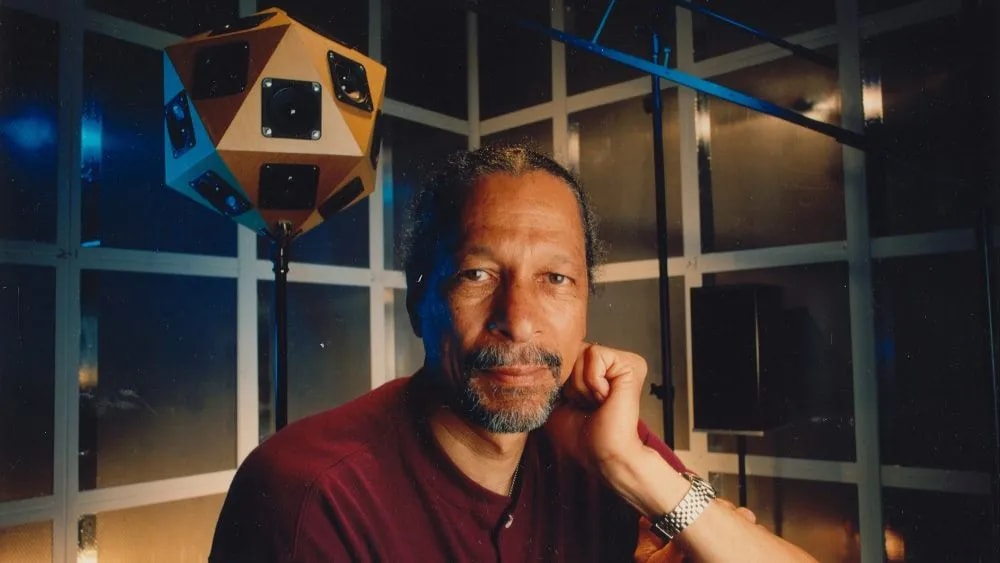
James West
Hawkins and his protégé Jim West are likely first in line. West, who co-invented the foil-electret microphone in 1962, was later awarded the National Medal of Technology and inducted into the National Inventors Hall of Fame.
In 1970, he helped usher in the next generation of Black scientists at Bell Labs when he formed the Association of Black Laboratory Employees. The group pressed for a first-of-its-kind fellowship program that recruited promising scientists of color, funded their PhD research and paired them with mentors at Bell Labs.
The fellowship produced alumni such as James Hunt, who co-invented the Hunt-Szymanski algorithm that is widely employed in computer science and mathematics, and Princeton’s William A. Massey, who became the first tenured African American mathematician at an Ivy League university.
Other notable Black Bell Labs researchers include Victor Lawrence, a pioneer in HDTV video encoding, Clyde Bethea, who worked on lasers, imaging and quantum electronics, and Shirley Ann Jackson, a theoretical physicist who was the first Black woman to graduate with a PhD from Massachusetts Institute of Technology before pursuing a career at Bell Labs.
“We now have an opportunity to tell this untold story that will be sequestered no more,” Howard promised. “The Black Inventors Hall of Fame Museum will put these stories in the spotlight and in the proper context so that the entire public, and particularly the underserved youth, can come and be inspired by stories that are full of humanity, full of passion and that highlight the true genius of the Black community.”
Vetter was equally excited.
“By showcasing Bell Labs researchers at BIHOF, we hope that future students of any demographic feel inspired to pursue a career in STEM,” he said.
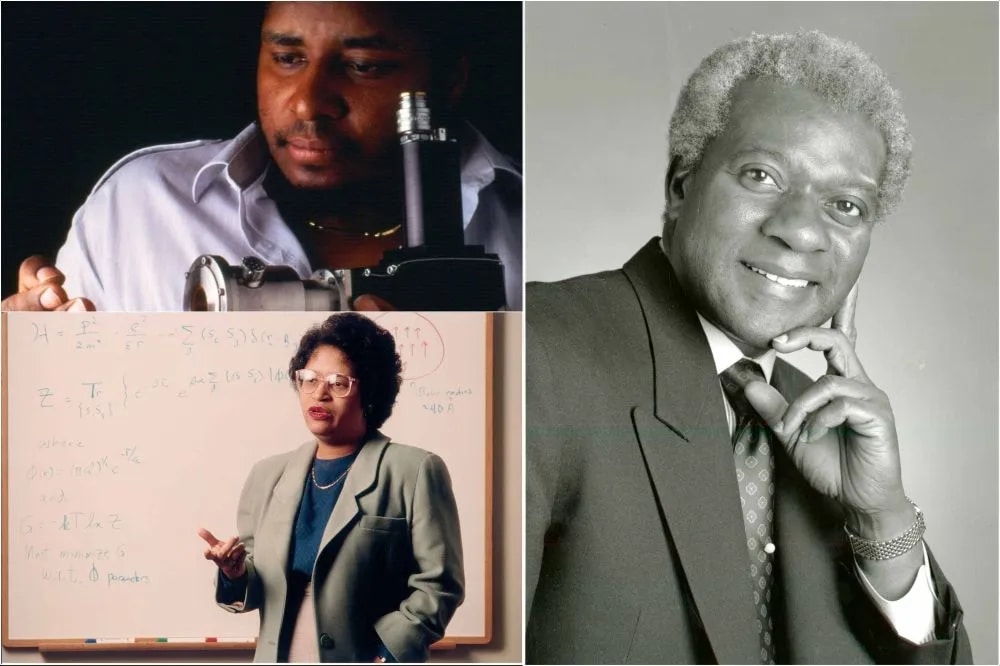
Image shows Clyde Bethea (top left), Shirley Ann Jackson (bottom left) and Victor Lawrence (right)