Telecommunication providers
Stay ahead in the AI supercycle with AI-native networks.
Select your country
We have limited content available for some countries. Find office information and country specific informations through our country hub.
Advancing connectivity to
secure a brighter world
160
years in business
150+
countries served with Nokia connectivity
4.4bn+
mobile subscriptions supported by Nokia networks
~160bn
invested in advancing connectivity since 2000
26,000+
patent families
10
Nobel Prizes for breakthrough innovations

Stay ahead in the AI supercycle with AI-native networks.
Scale network infrastructure with advanced optical, IP and datacenter switching technologies to maximize your AI investments.
Advancing connectivity to secure the mission-critical environment in the AI era.

Nokia’s patent licensing programs enable companies to implement standardized technologies and other cutting-edge innovations in their products and services.
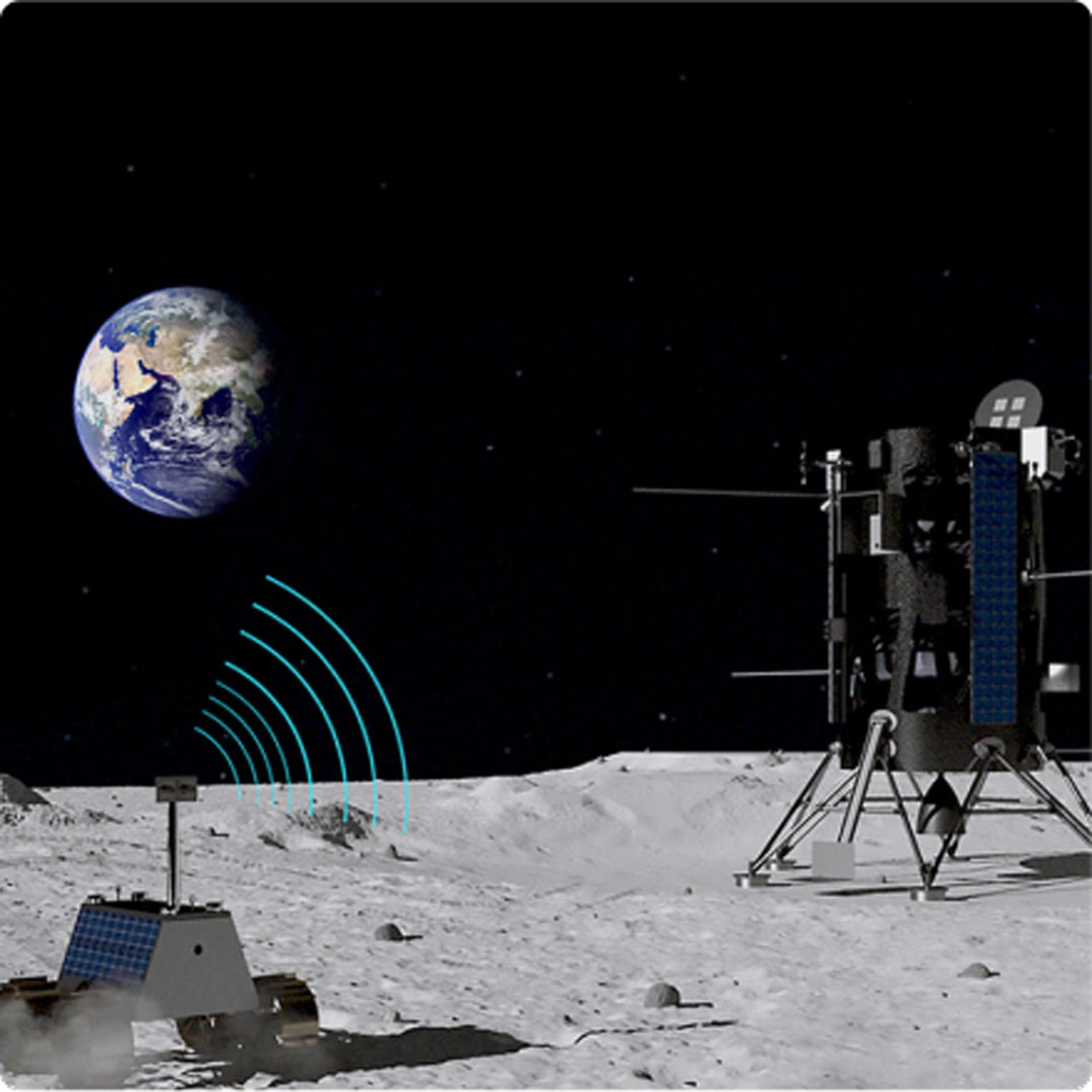
Began creating the first network on the Moon.
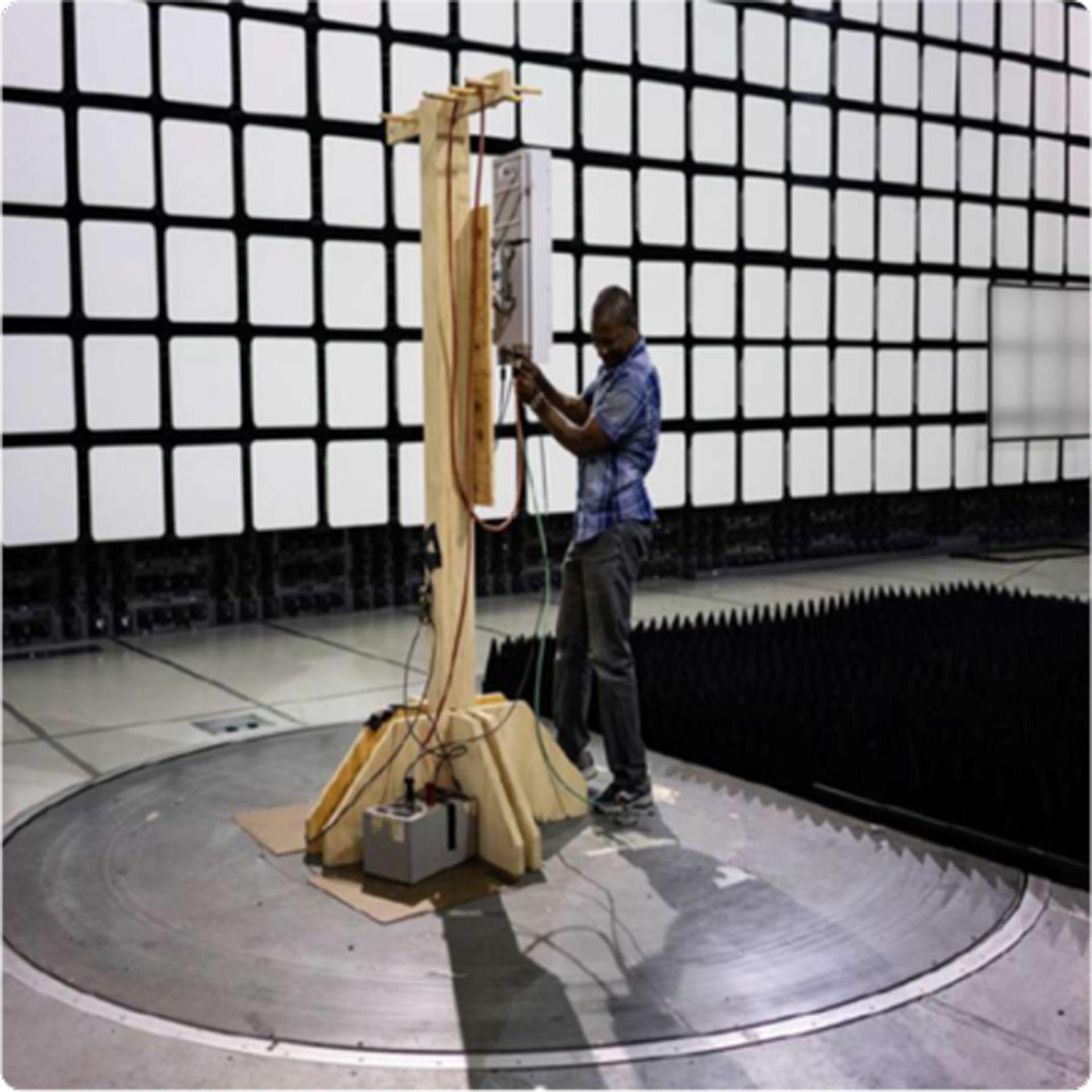
We develop the concept of the Massive MIMO, which is now a foundational technology in 5G with great improvements in efficiency.
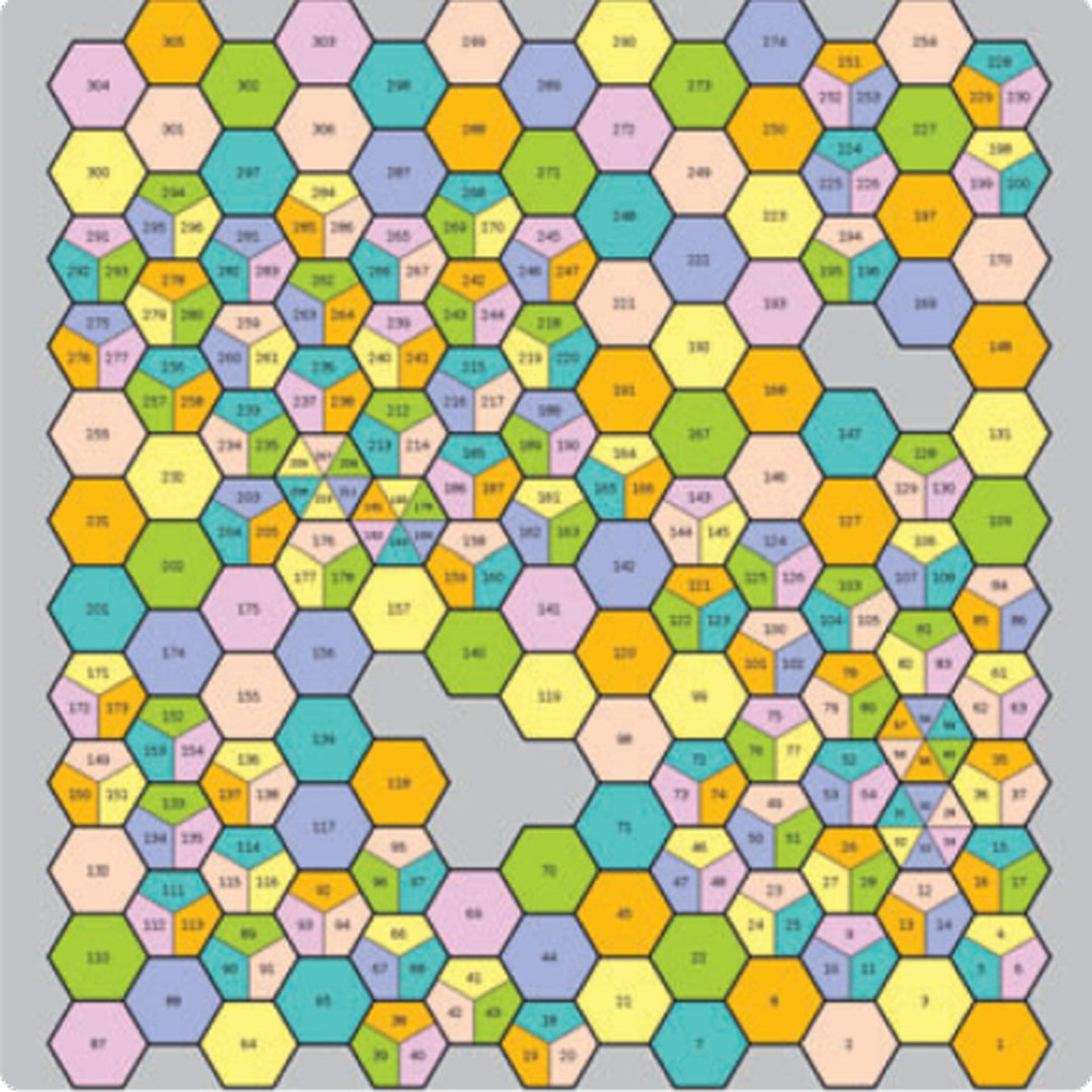
We create Self Organizing Networks that can automatically make adjustments to optimize and adapt to changes in the system.
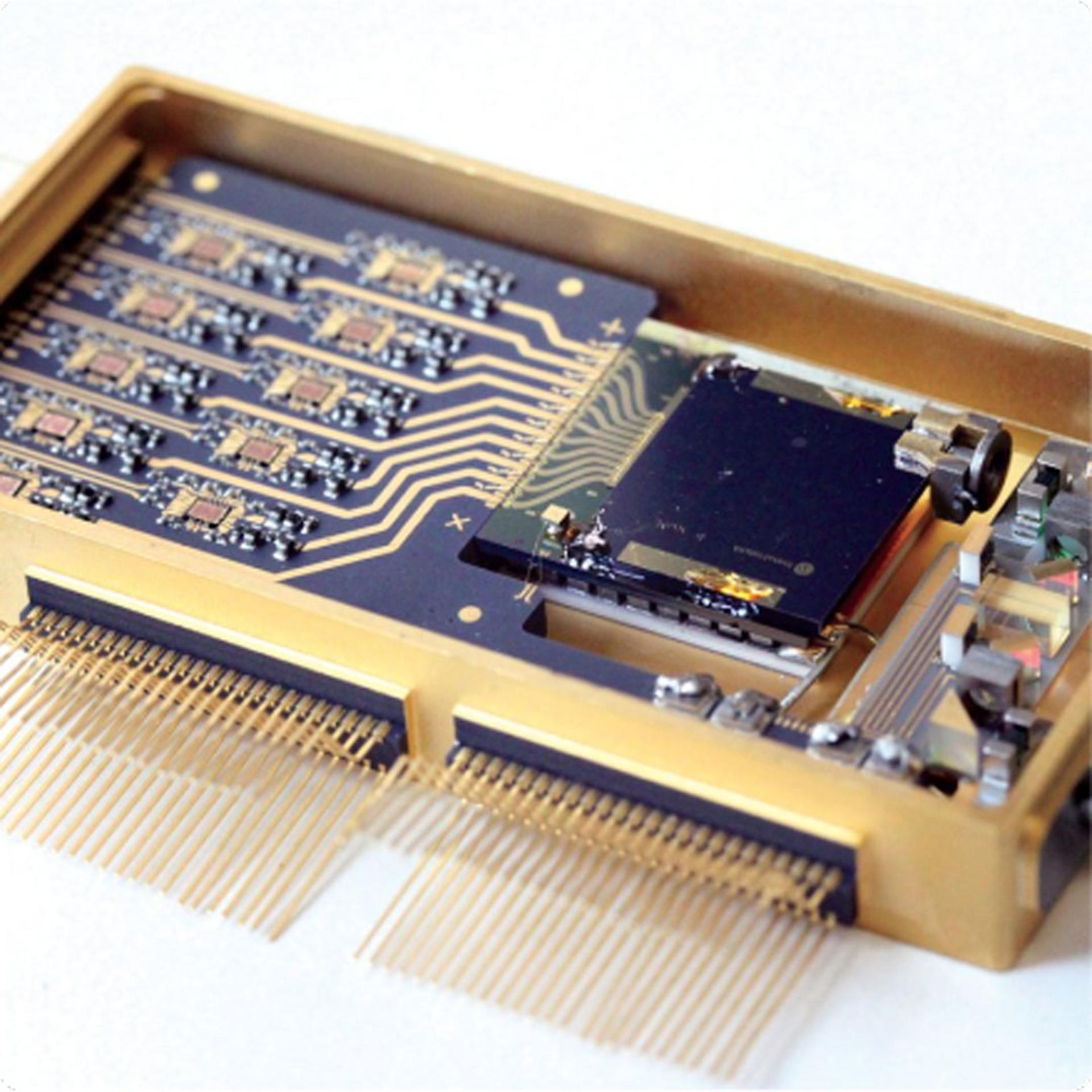
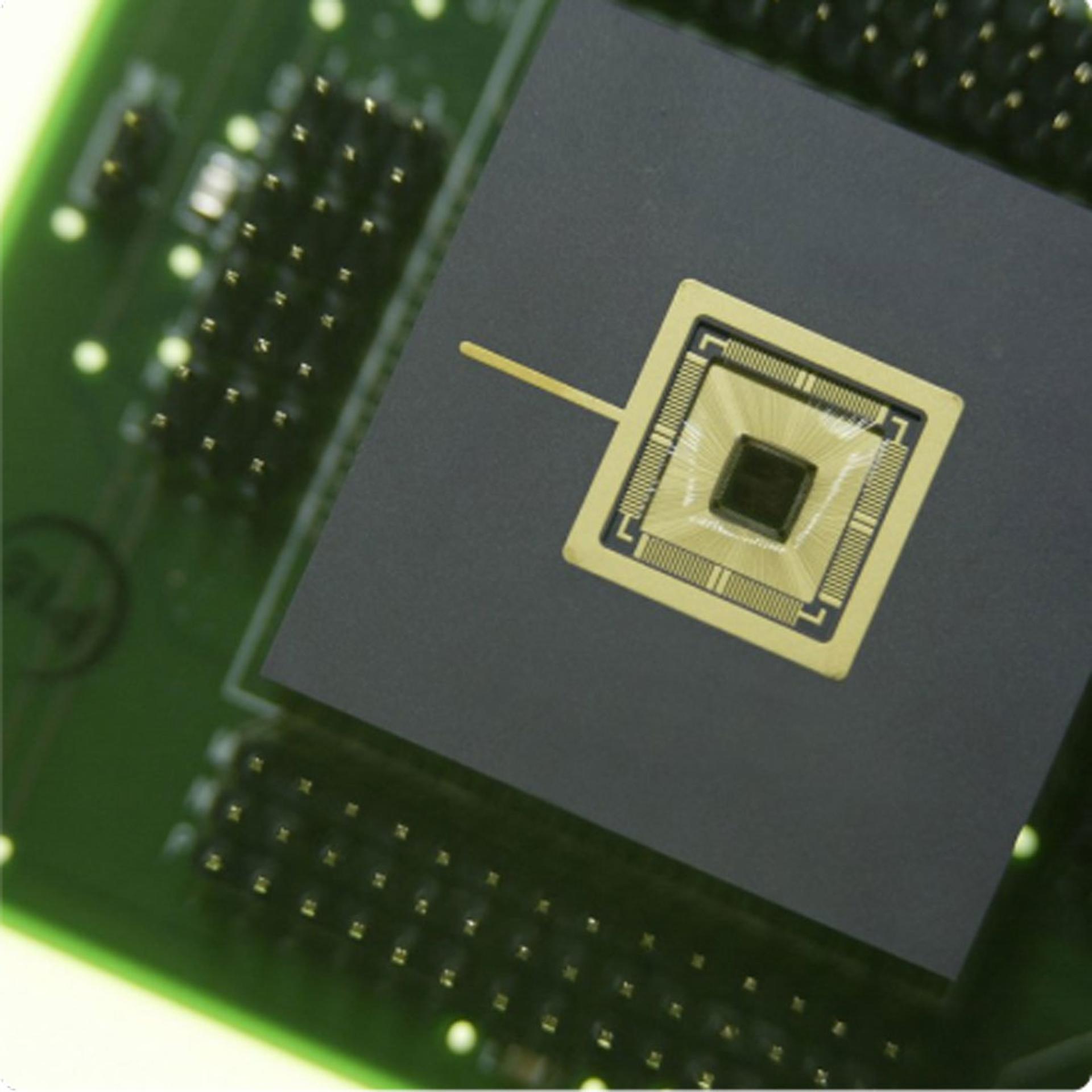
We create Photonic Integrated Circuits, which enable reductions in power consumption, size and cost for optical networking equipment.
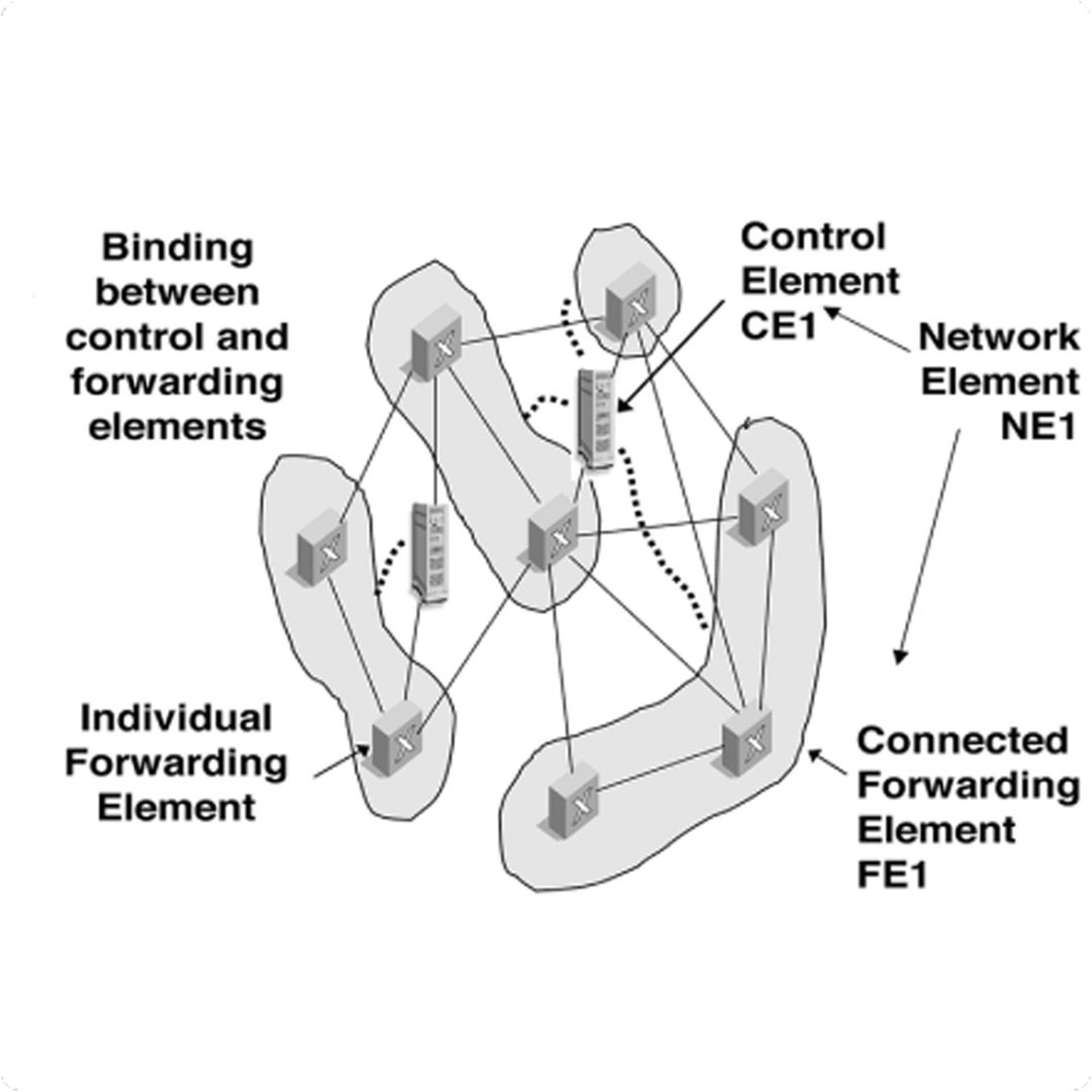
We develop the Softrouter, which allows easier deployment and scaling of new services using exposed network capabilities.
We invent MIMO - which allows for greater throughput without increasing power or bandwidth requirements.
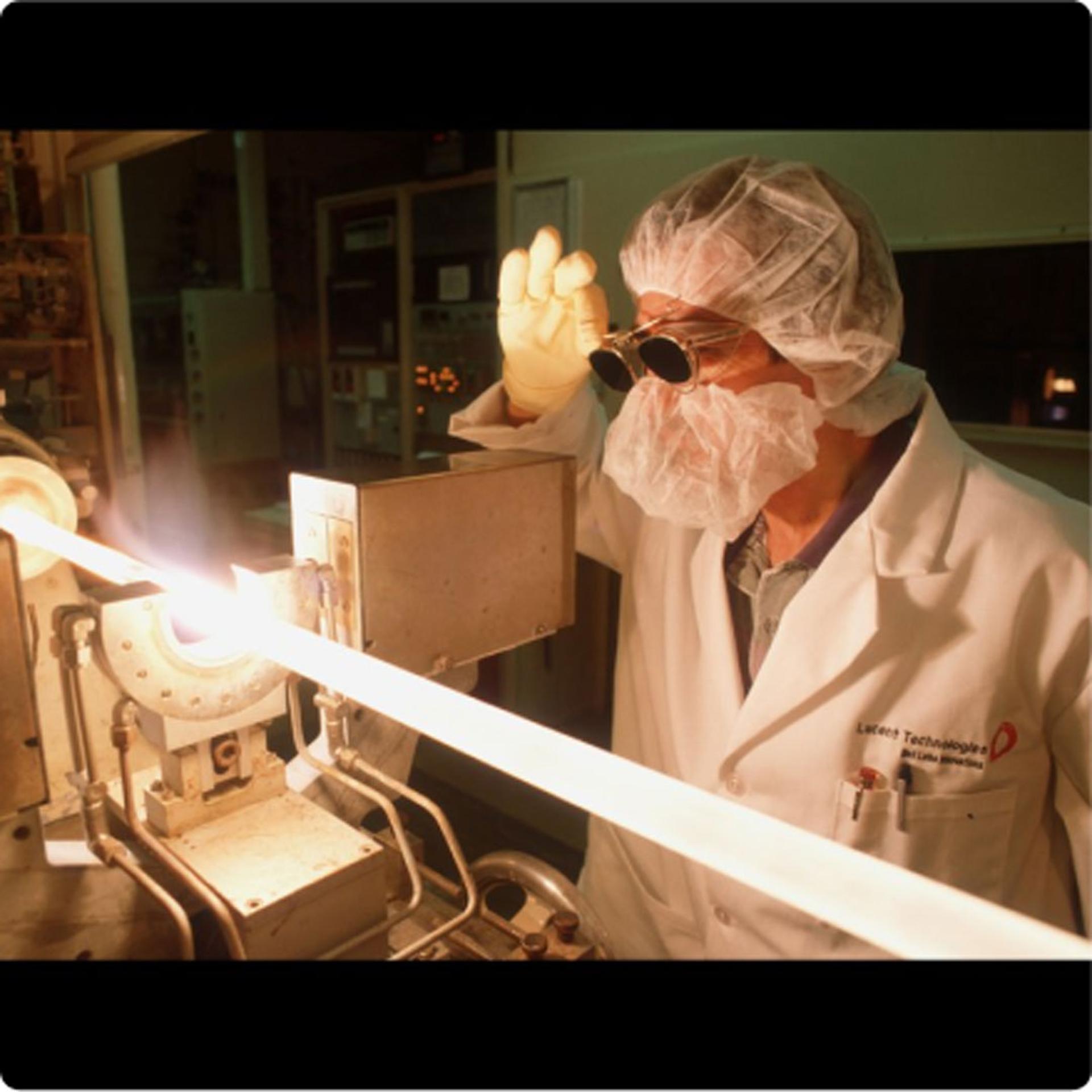
We invent a new type of optical fiber, Non-Zero Dispersion Fiber (NZDF), that becomes widely deployed in intercontinental and long-haul terrestrial networks.
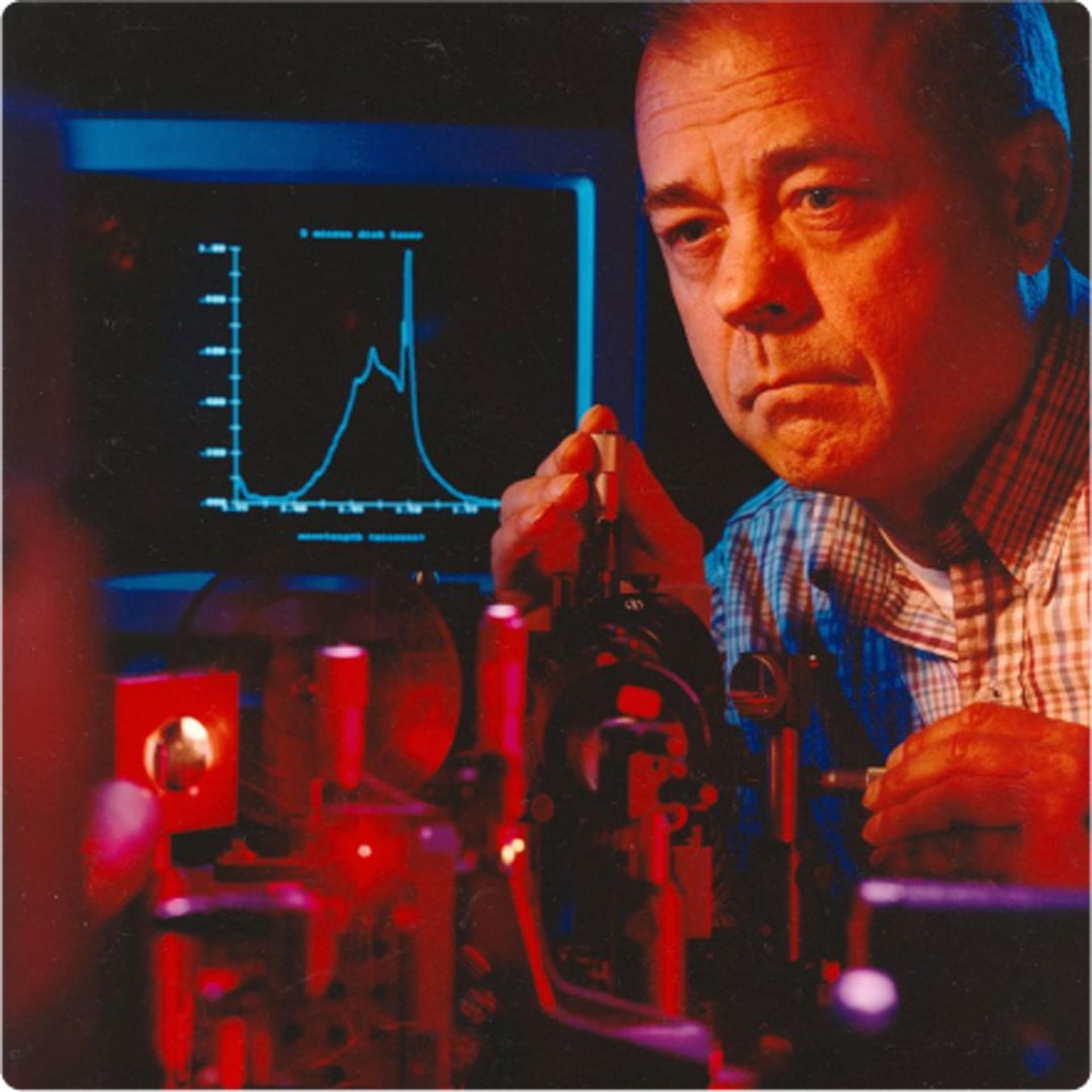
Bell Labs researchers build and operate the world’s smallest semiconductor lasers - ‘microlasers’.
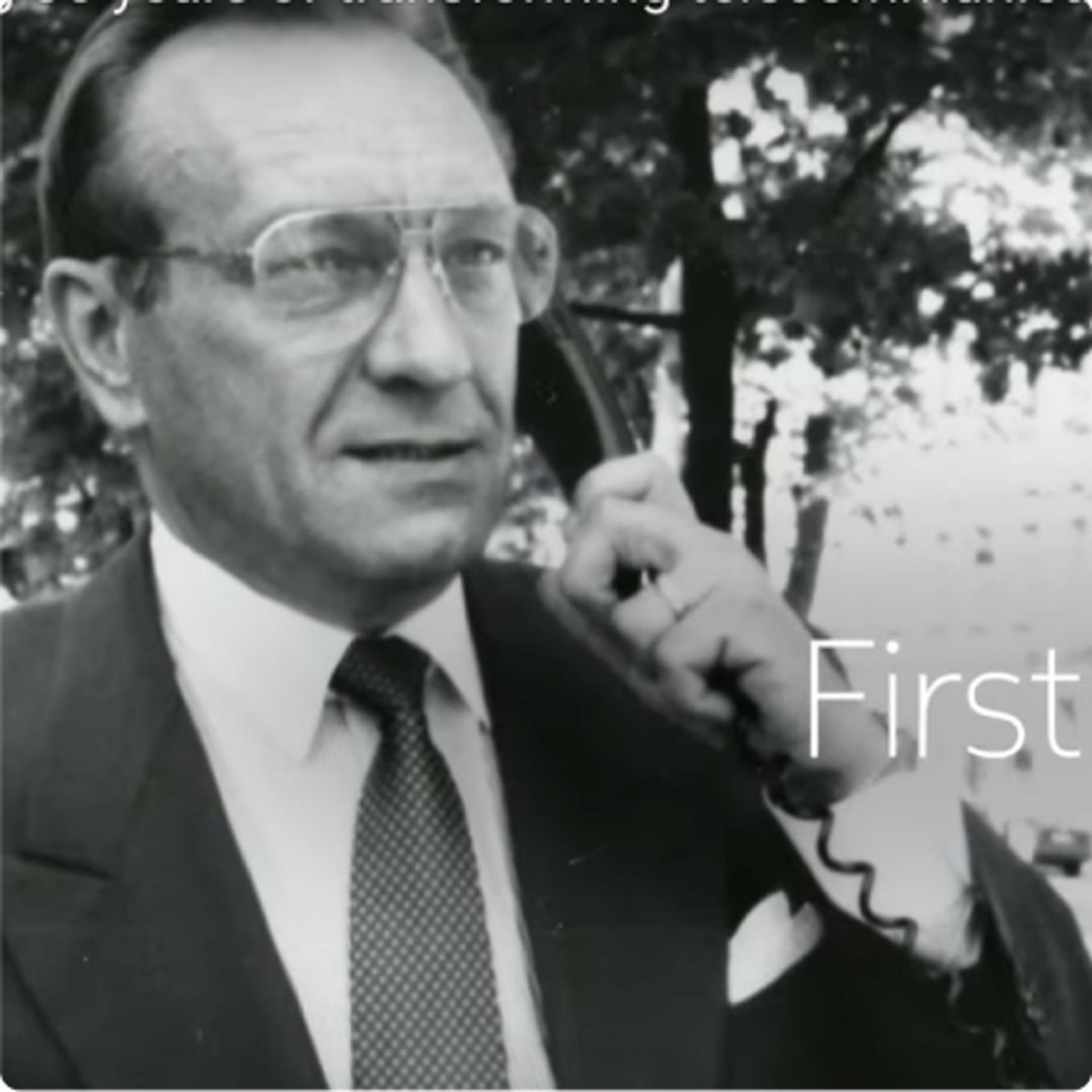
The world’s first Global System for Mobile Communications (GSM) call is made using Nokia equipment.
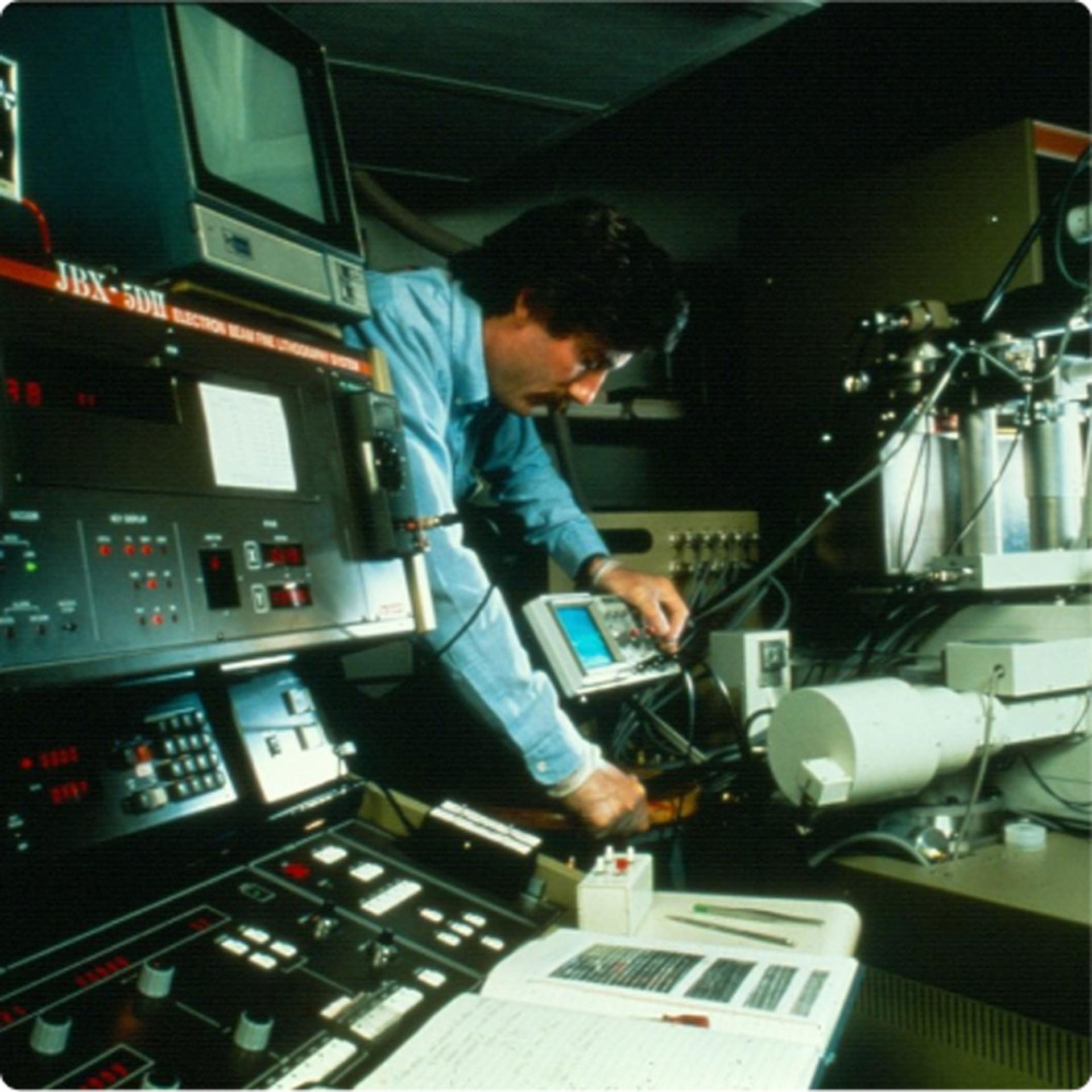
At Bell Labs, Yann LeCun and Larry Jackel develop Convolutional Neural Networks, a class of deep, feed-forward artificial neural networks.
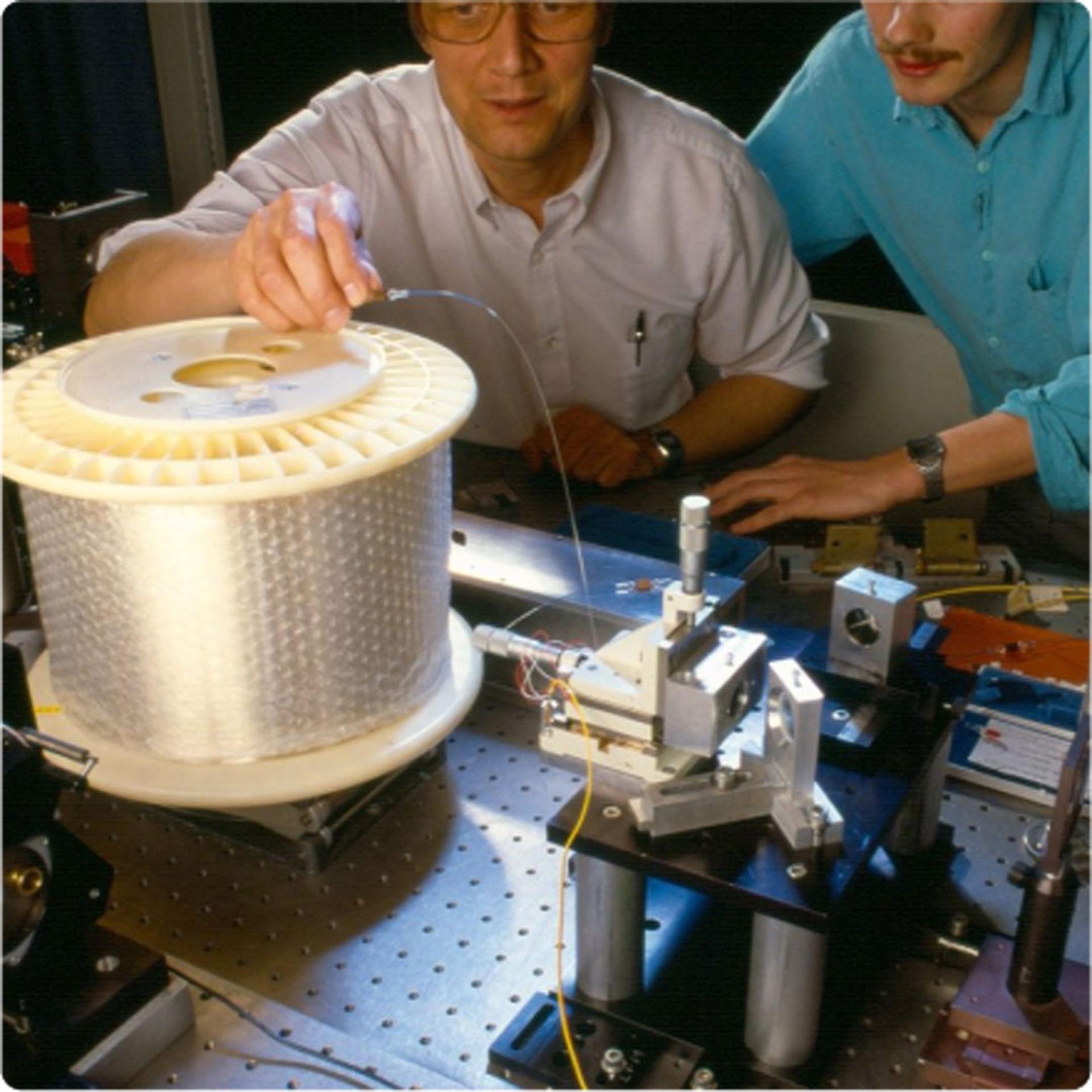
We break records by sending unique light pulses, called solitons, through 4,000km of optical fiber, without electronic regeneration.
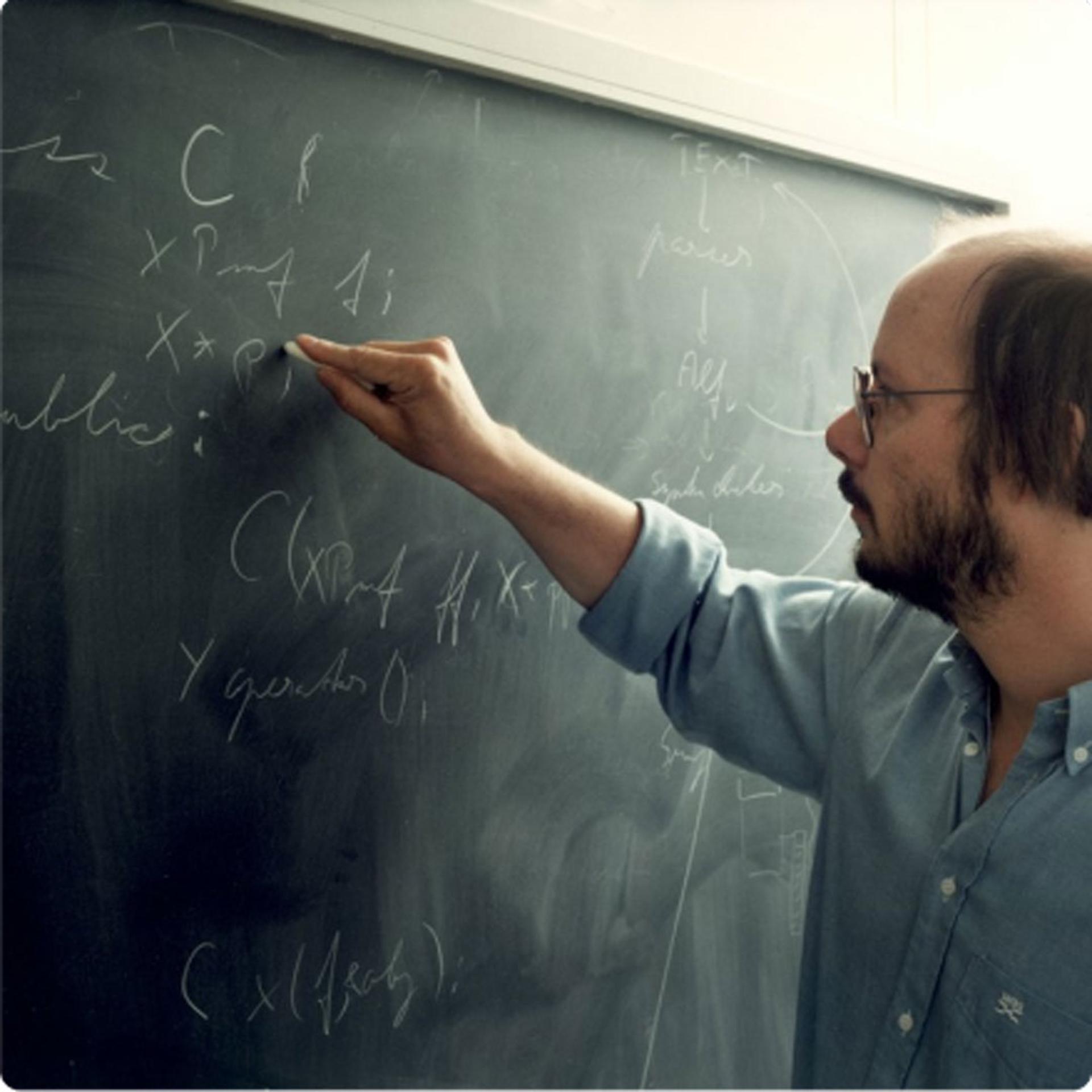
We advance Dennis Ritchie’s original C programming language to become C++ Language - a flexible programming language for large-scale data processing systems.

Two-thousand customers participate in the first public trial of a cellular phone system designed and developed by Bell Labs.
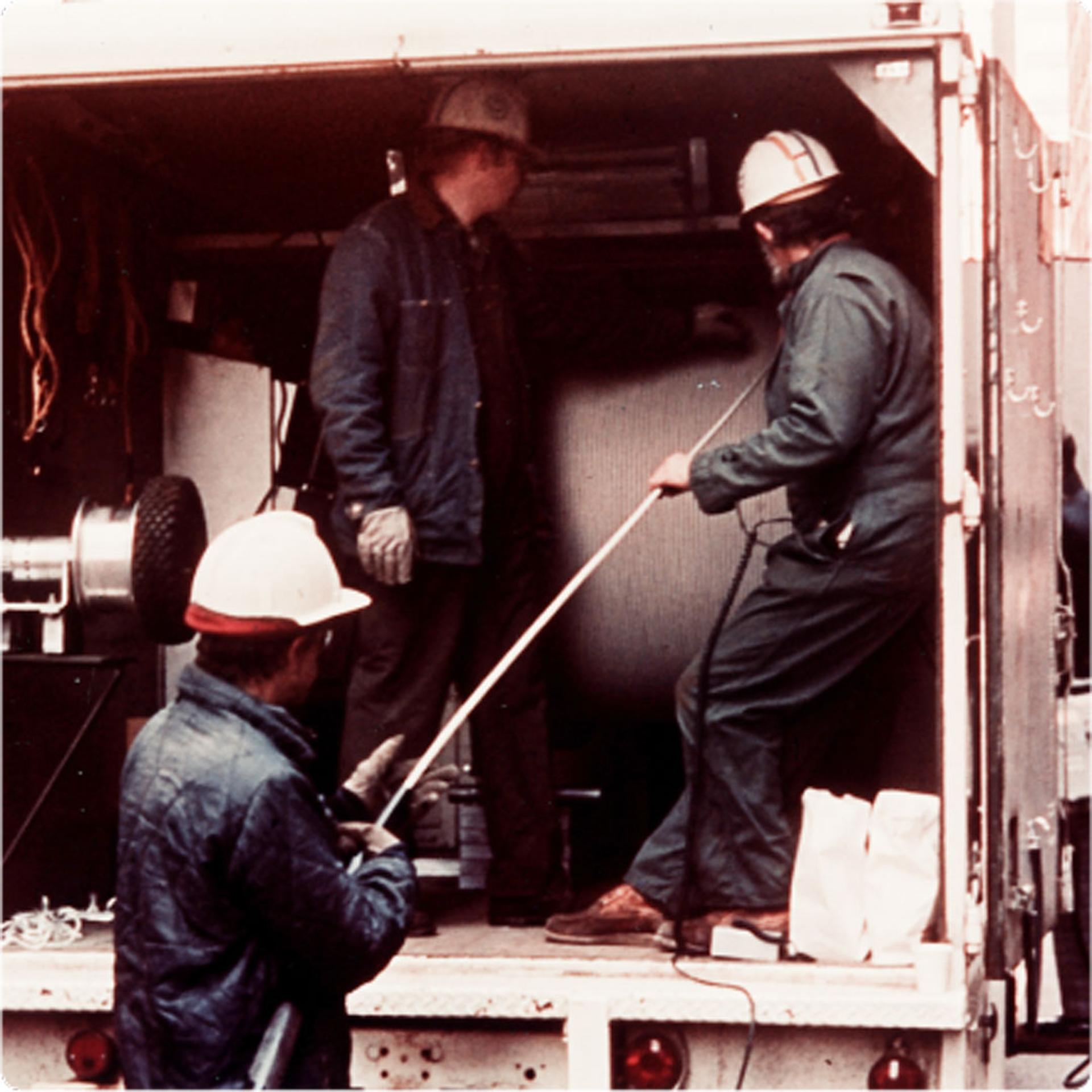
The first Bell System optical telephone communication system is installed under the streets of Chicago, each fibre pair carries the equivalent of 672 voice channels.
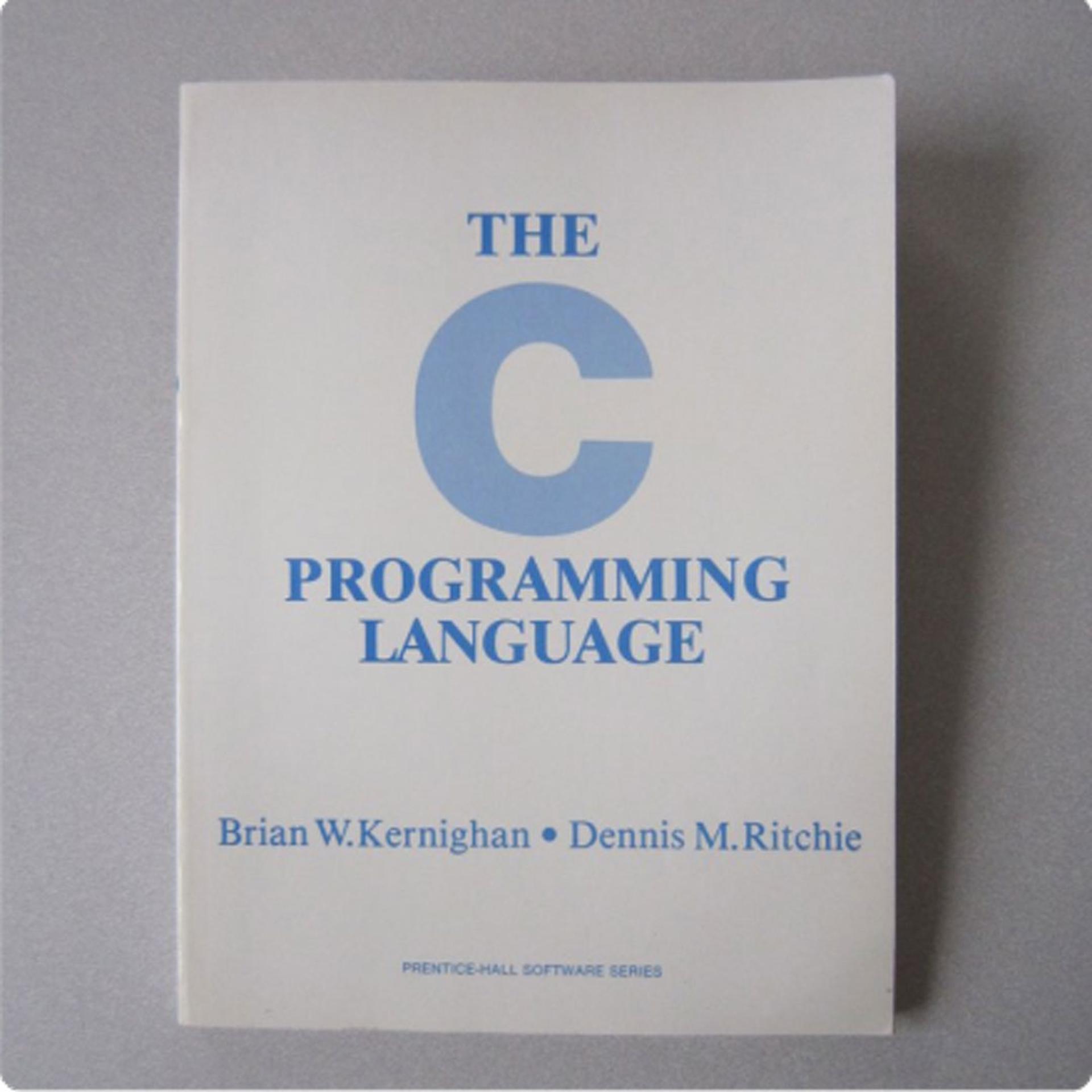
Bell Labs’ Dennis Ritchie develops C Language, arguably the most widely used programming language of all time, allowing for the coding of applications.
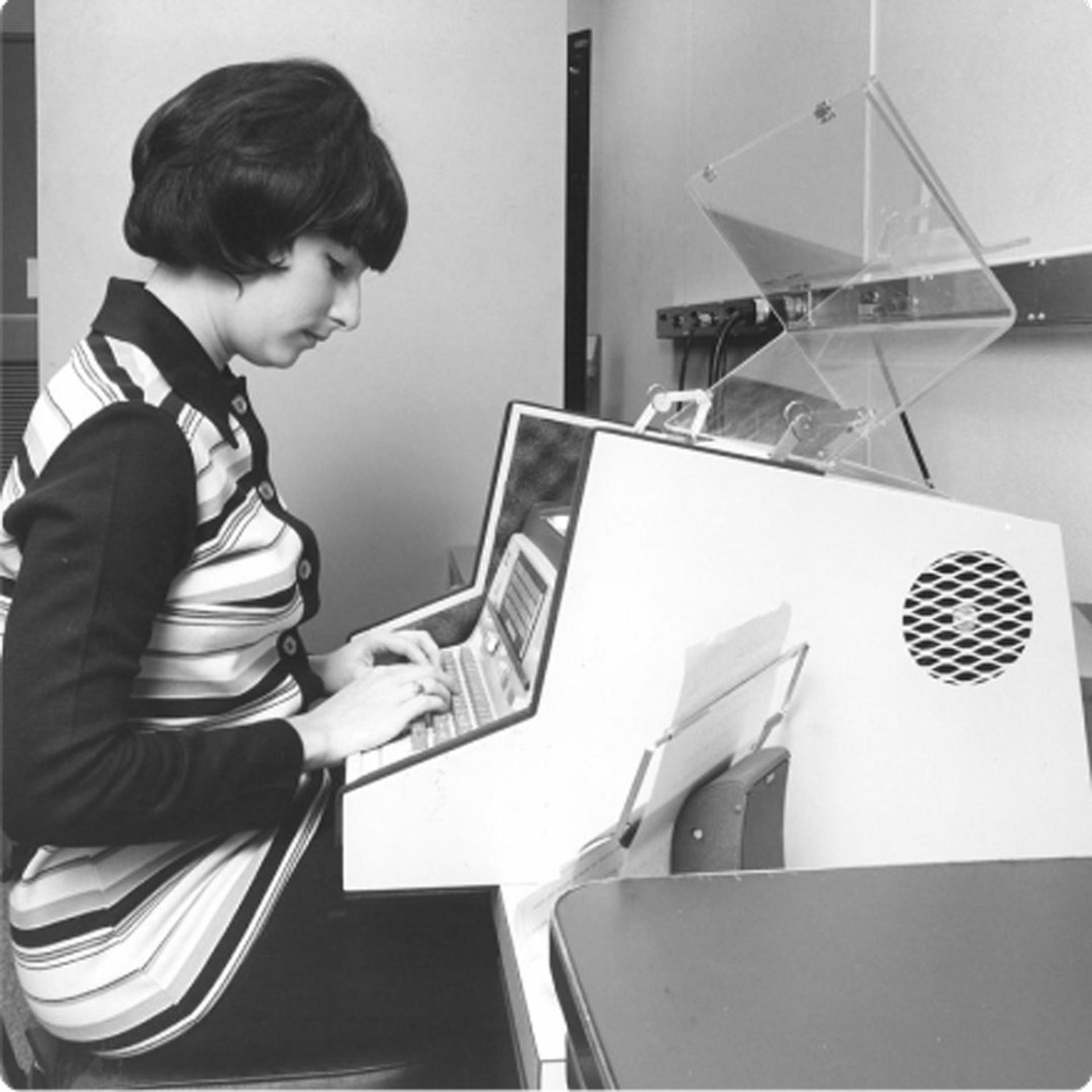
We develop UNIX OS - a simple but elegant time-share software system for minicomputers, which can be found in most of the world's internet services and cell phones.
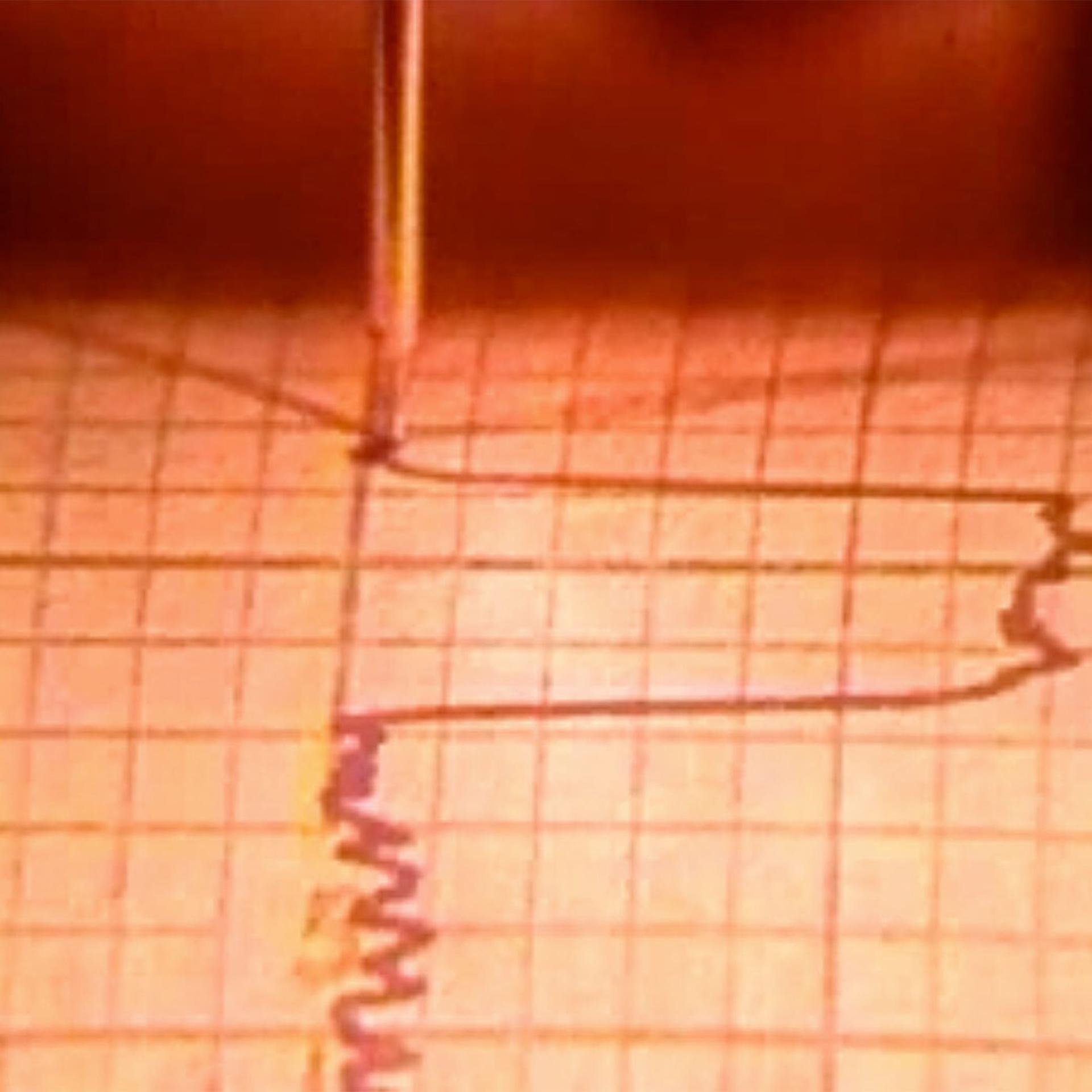
Our scientists confirm the Big Bang.
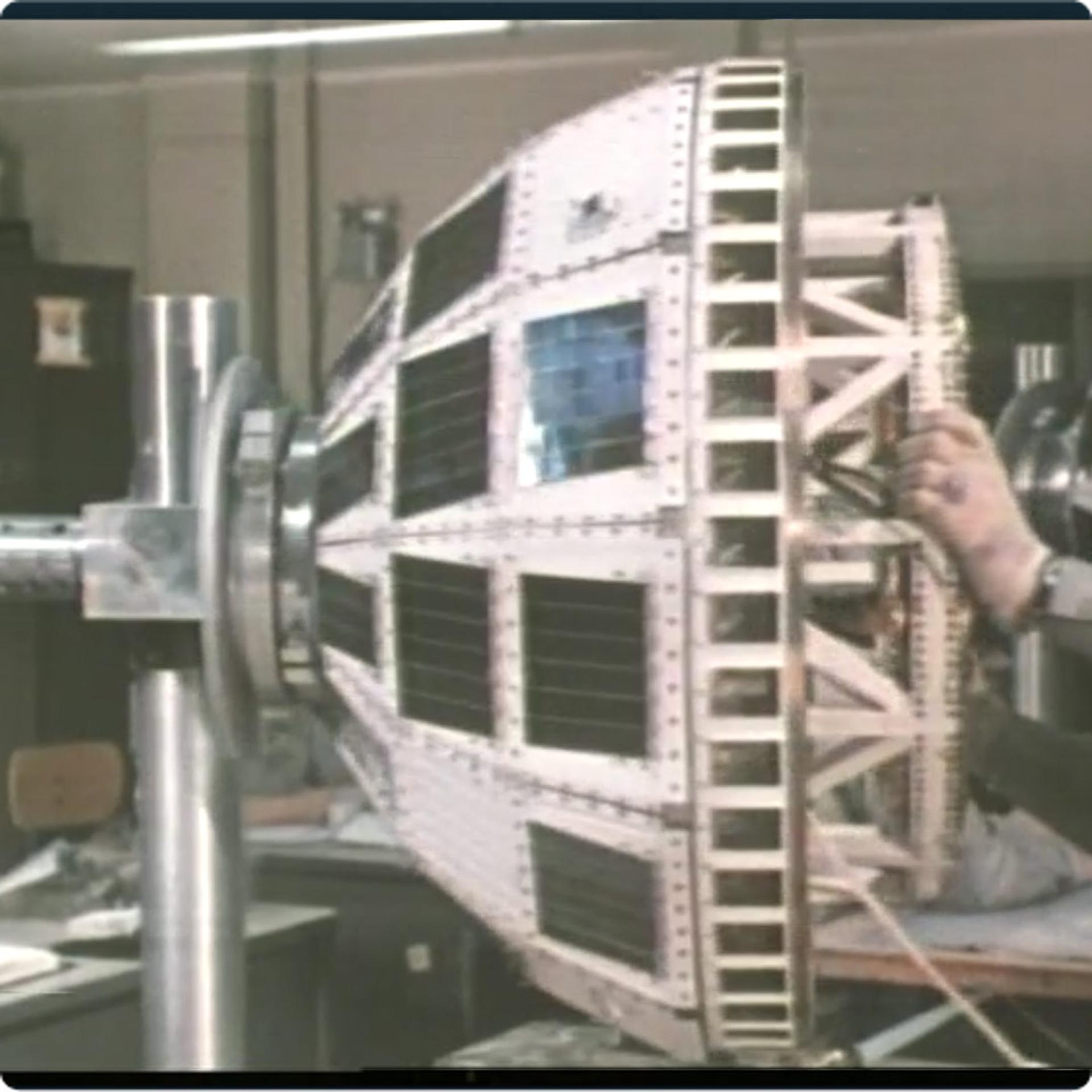
Bell Labs and NASA launch Telstar I - the world’s first active orbiting communications satellite to connect the globe through live transmission.
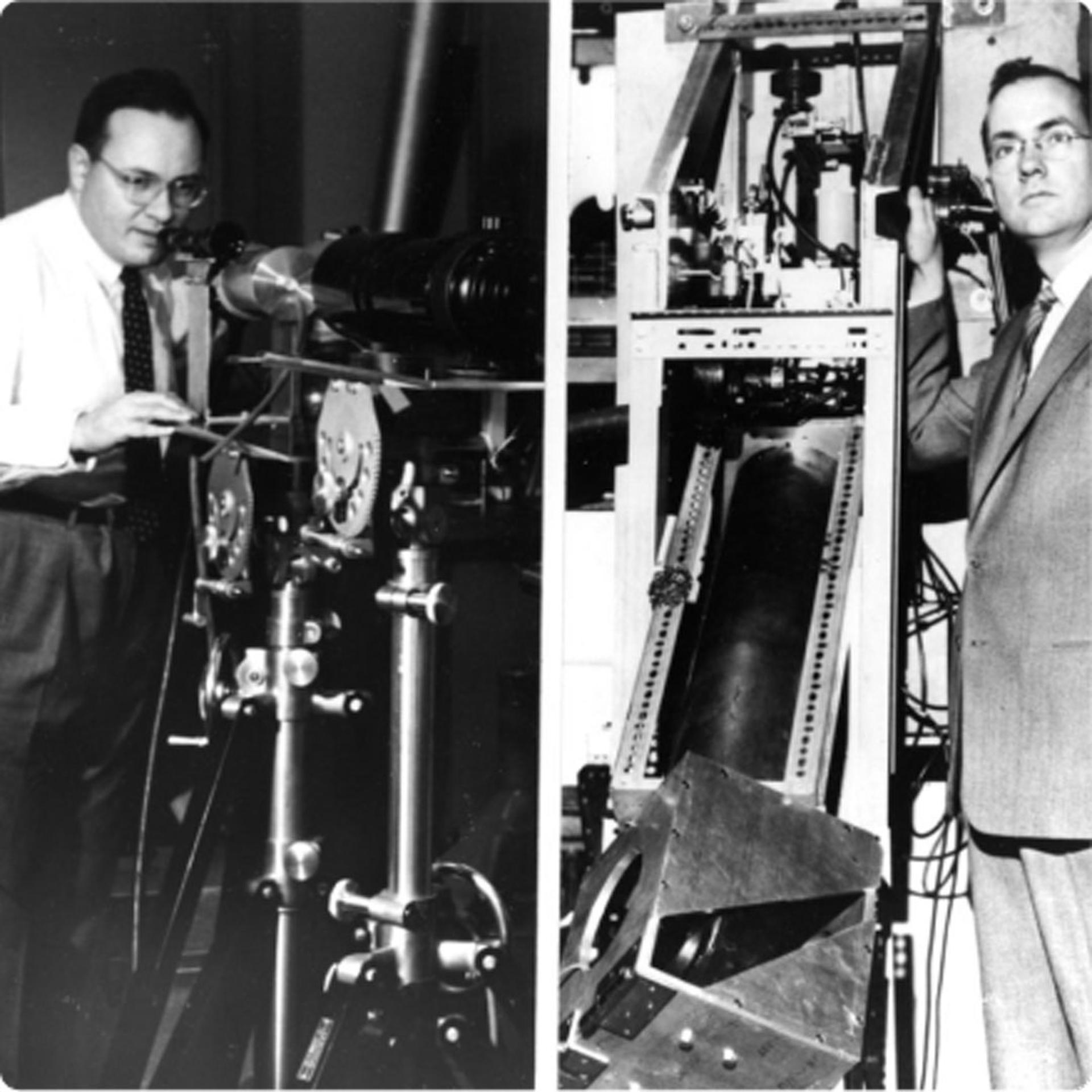
We invent lasers - which revolutionizes not only the communications industry, but also many other global processes.
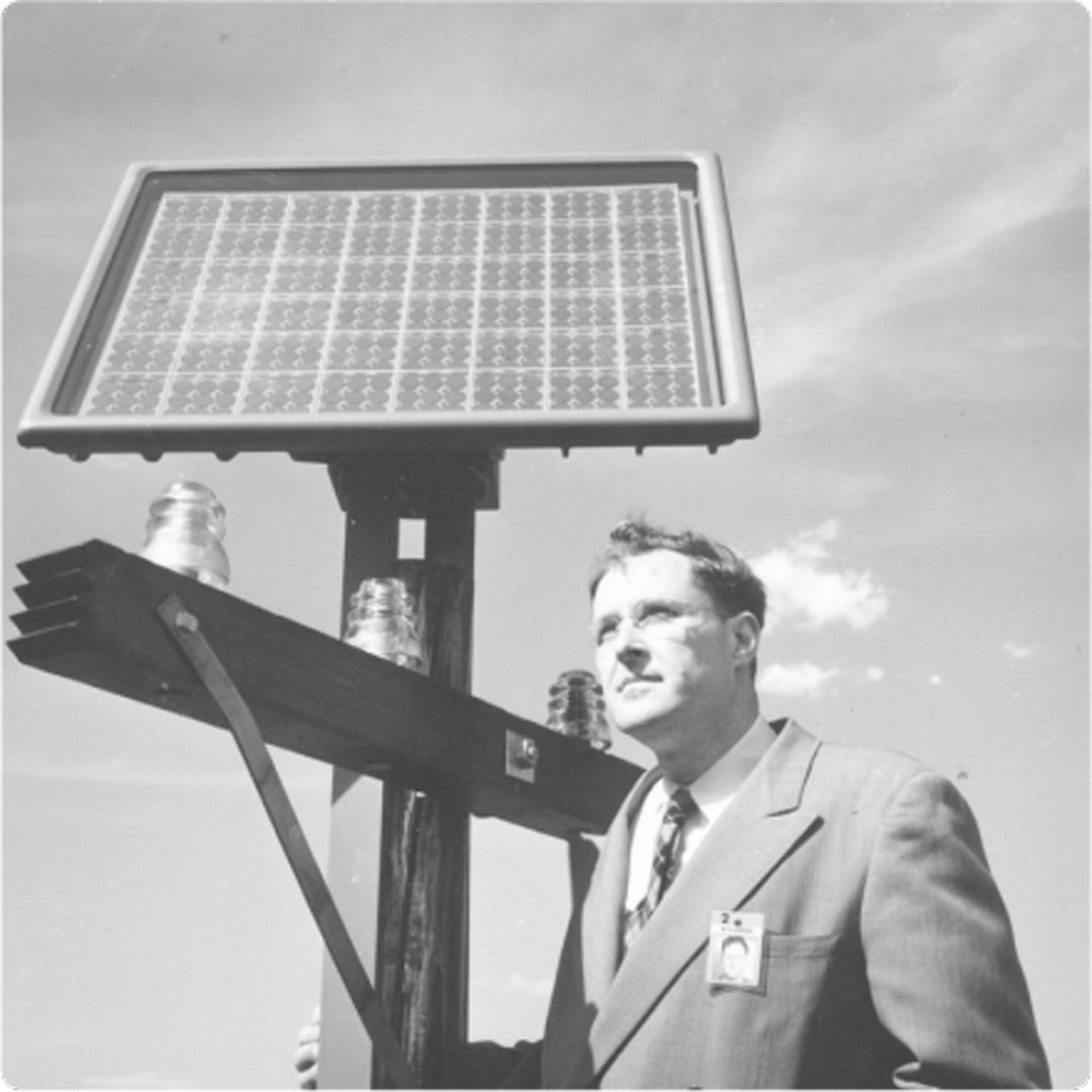
We create the the Bell solar battery, the first successful device to convert the sun's energy into substantial amounts of electricity.
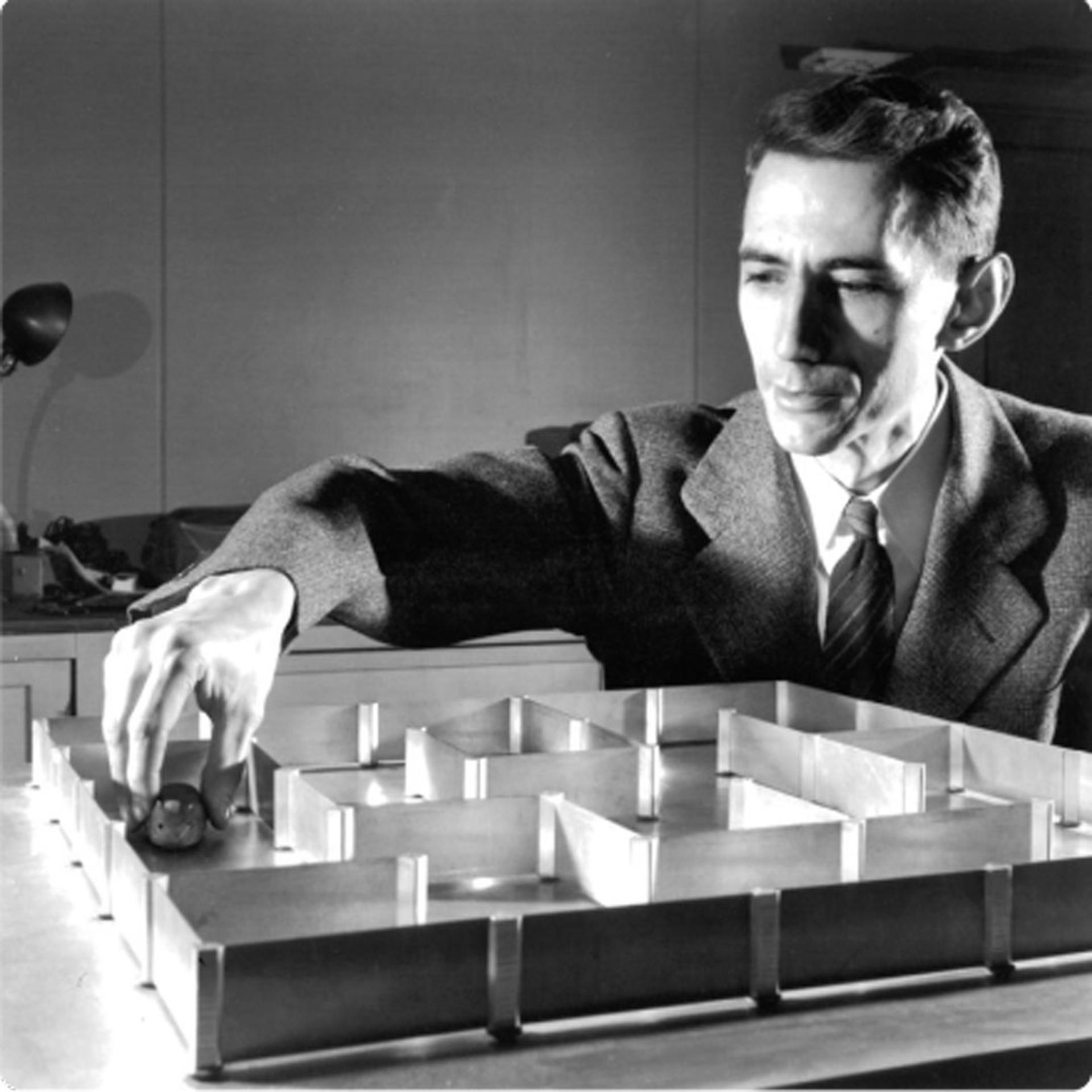
Renowned Bell Lab’s researcher, Claude Shannon, creates a pioneering prototypical AI device (a robotic mouse named Theseus) that can self-navigate a maze through automated switching.
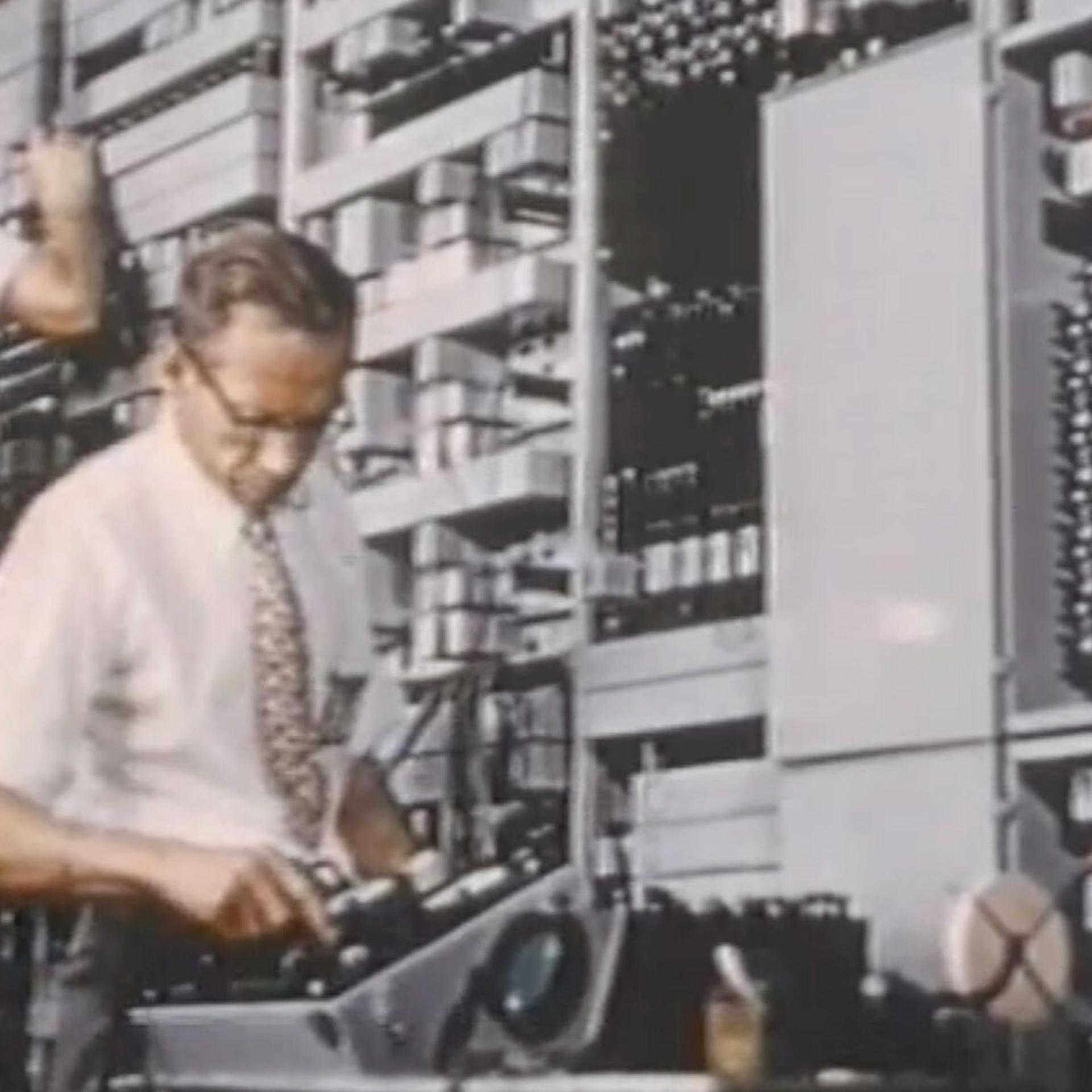
Claude Shannon develops Information Theory at Bell Labs, which lays the groundwork for all digital communications going forward.
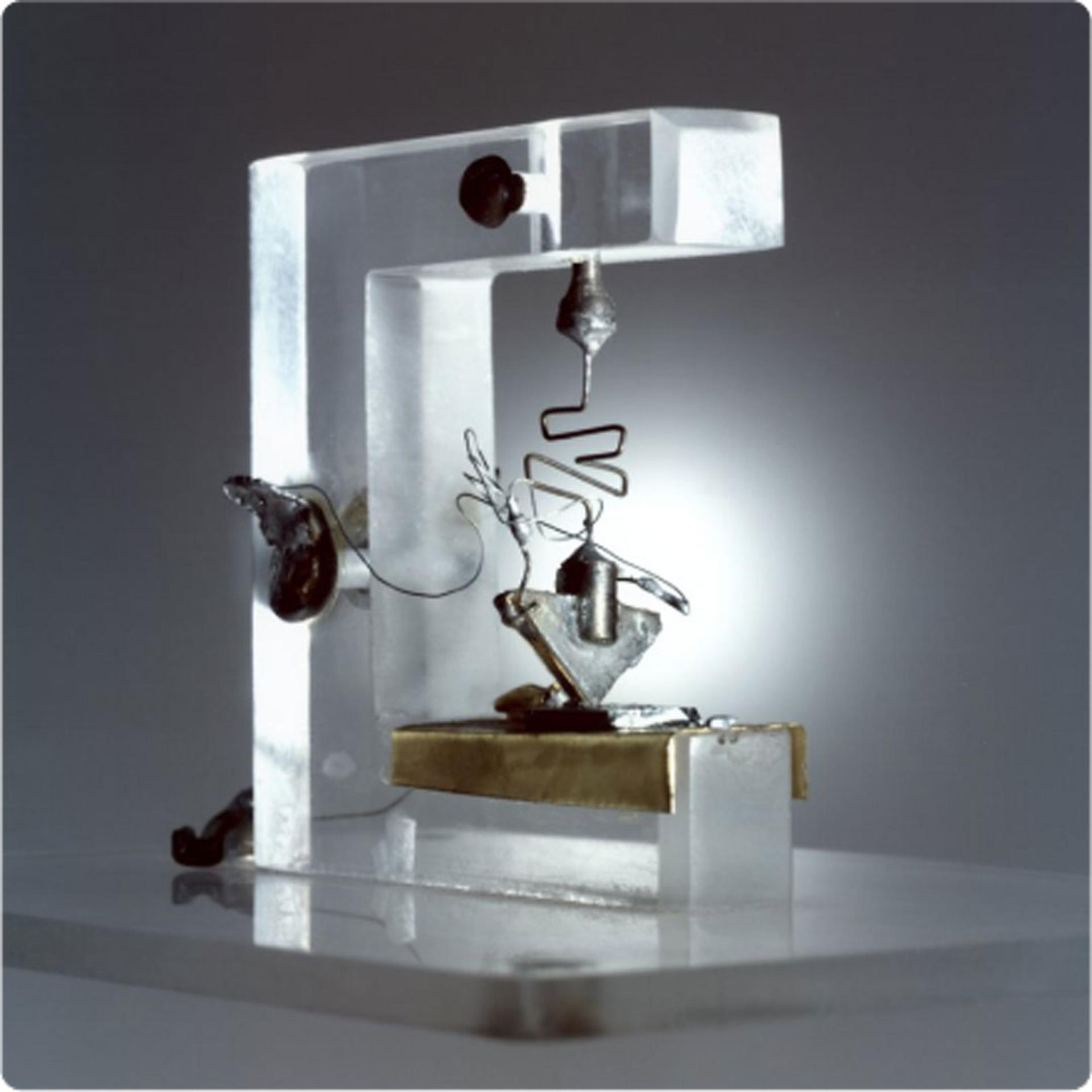
We invent the transistor - developed as a replacement for vacuum tubes, the tiny device later revolutionizes the entire electronics industry.
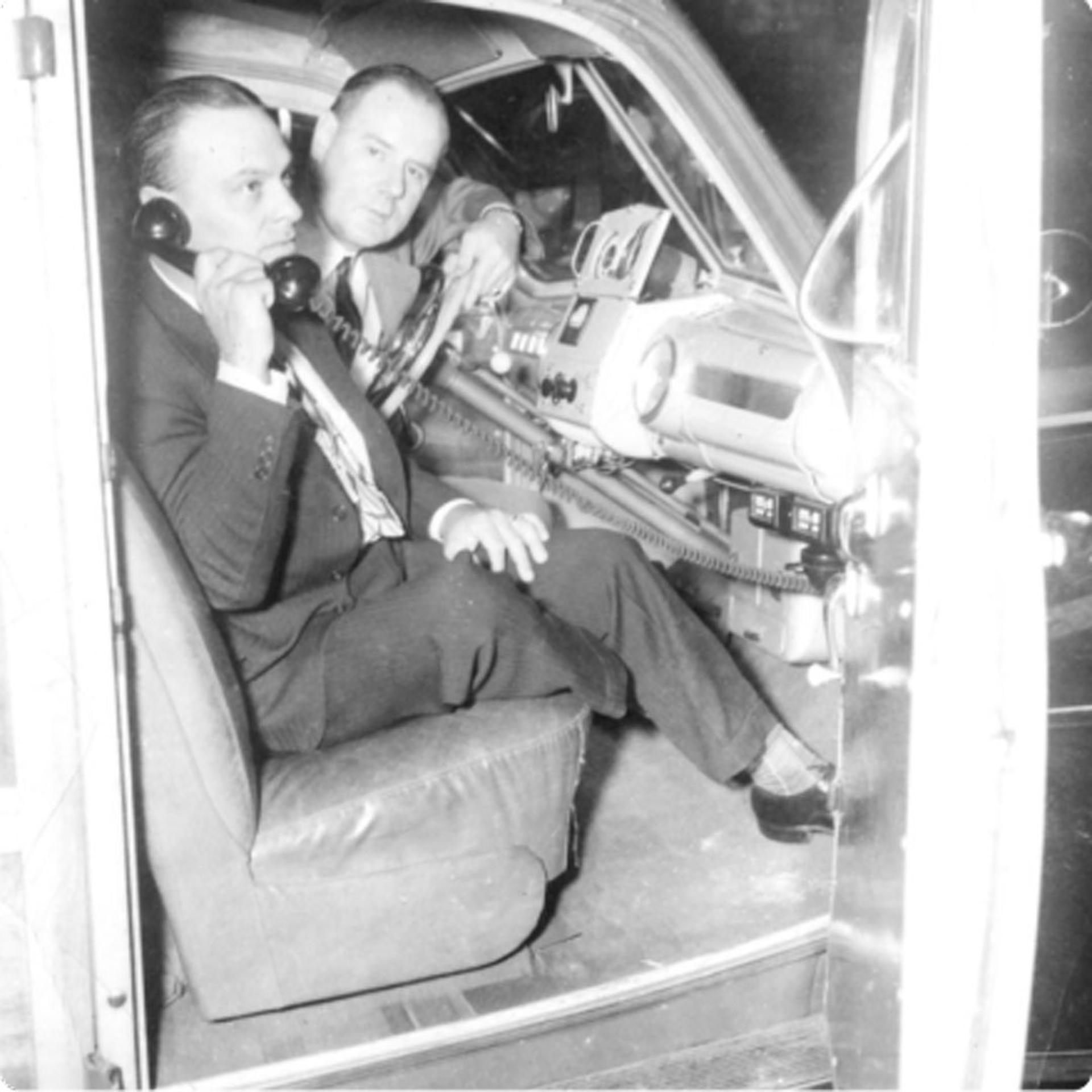
The first commercial mobile telephone service, developed by Bell Labs, launches.
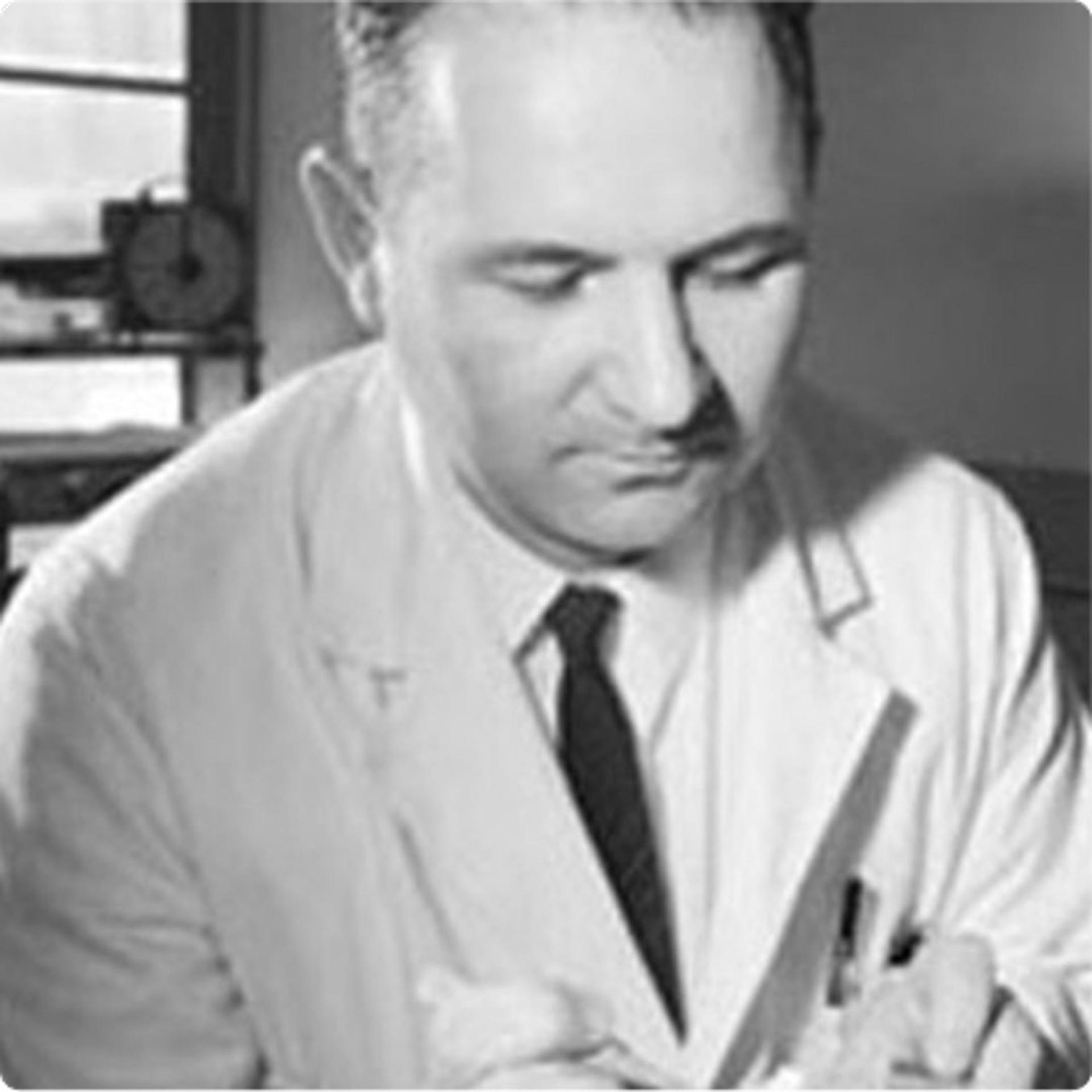
Bell Labs’ Russell Ohl makes significant ion discoveries that ultimately lead to the development of the transistor and the solar cell.
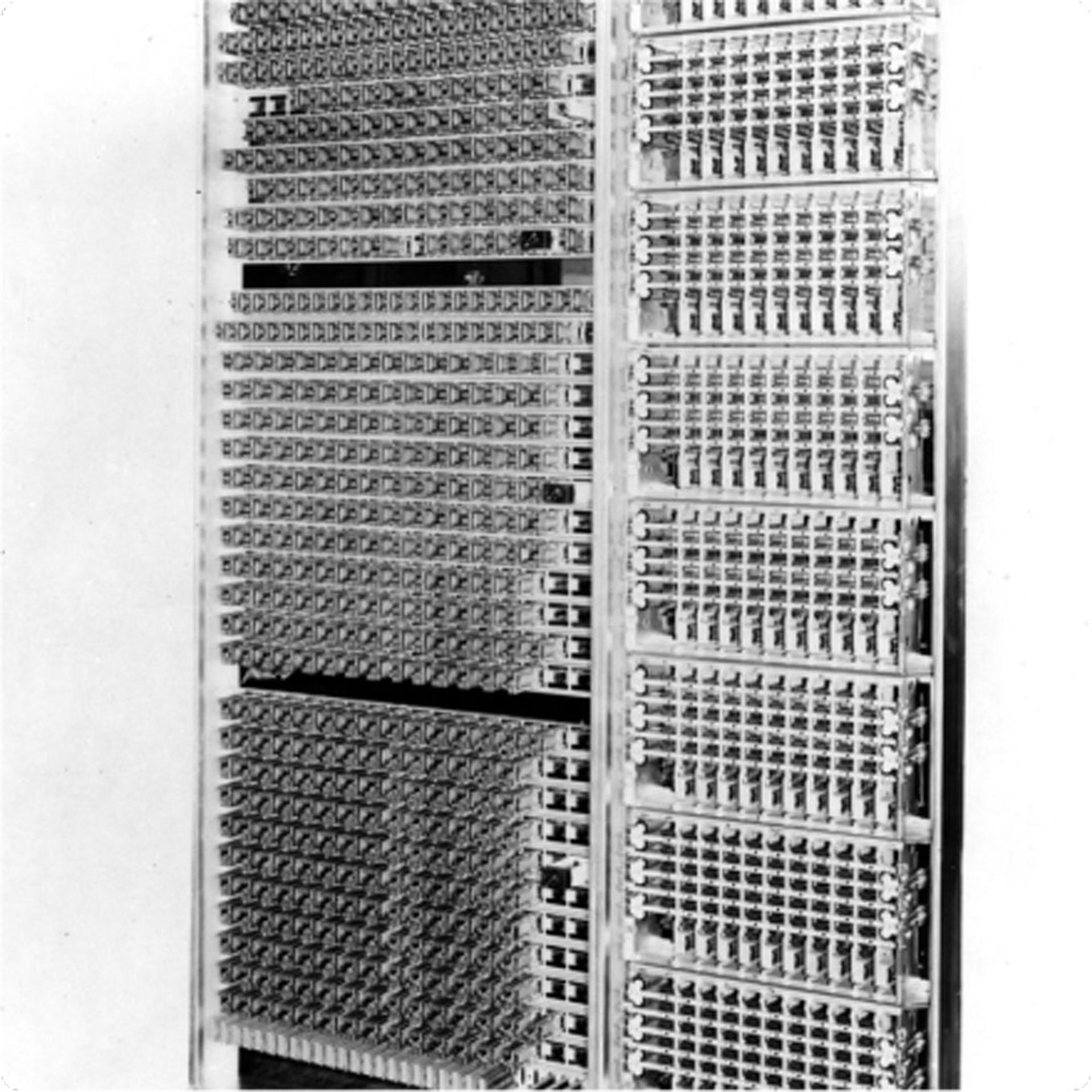
George Stibitz of Bell Labs produces the first Binary Digital Computer, which can be operated from a distance over a telegraph circuit.
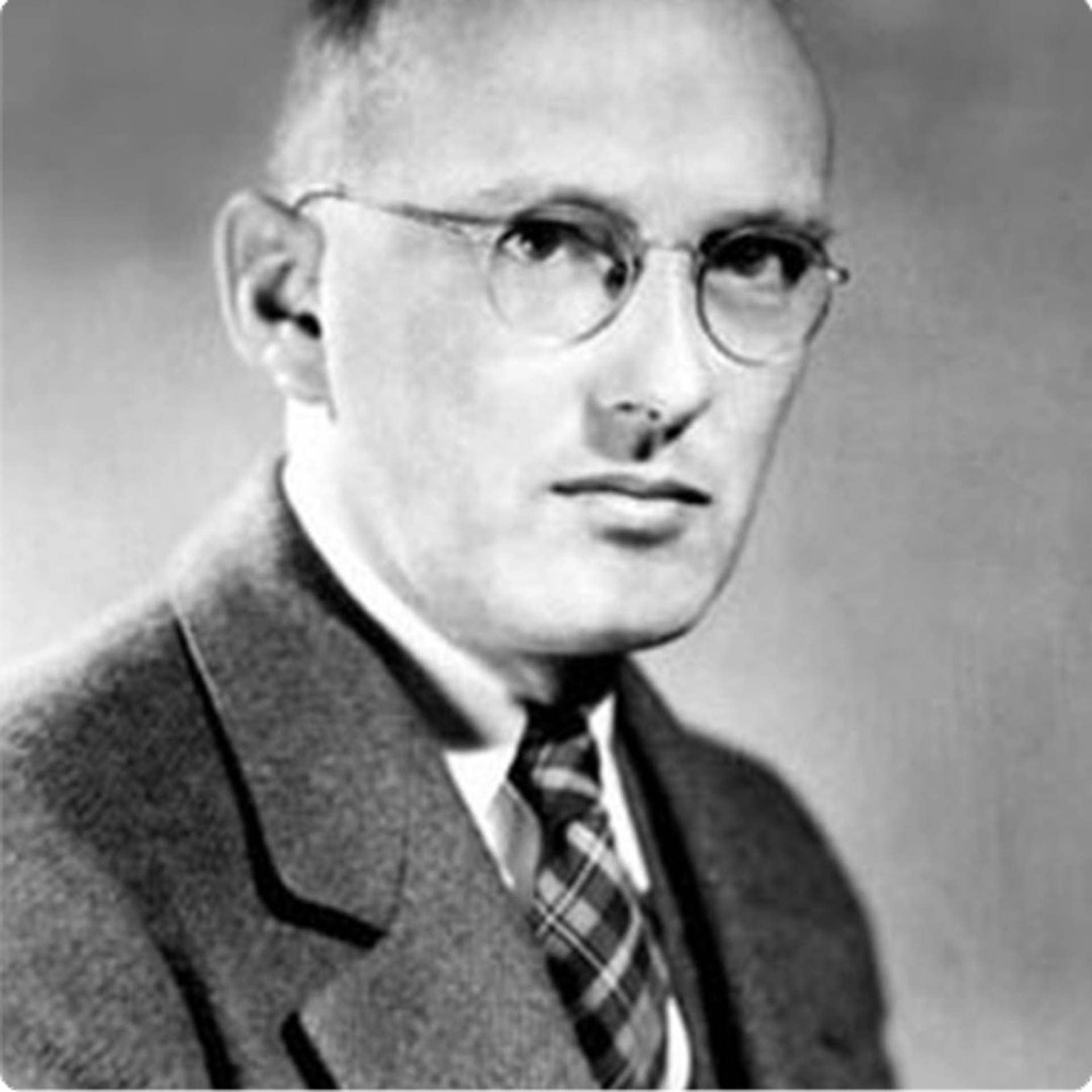
Karl Janksy, a radio engineer at Bell Labs, discovers the origin of the universe through his radio waves research.
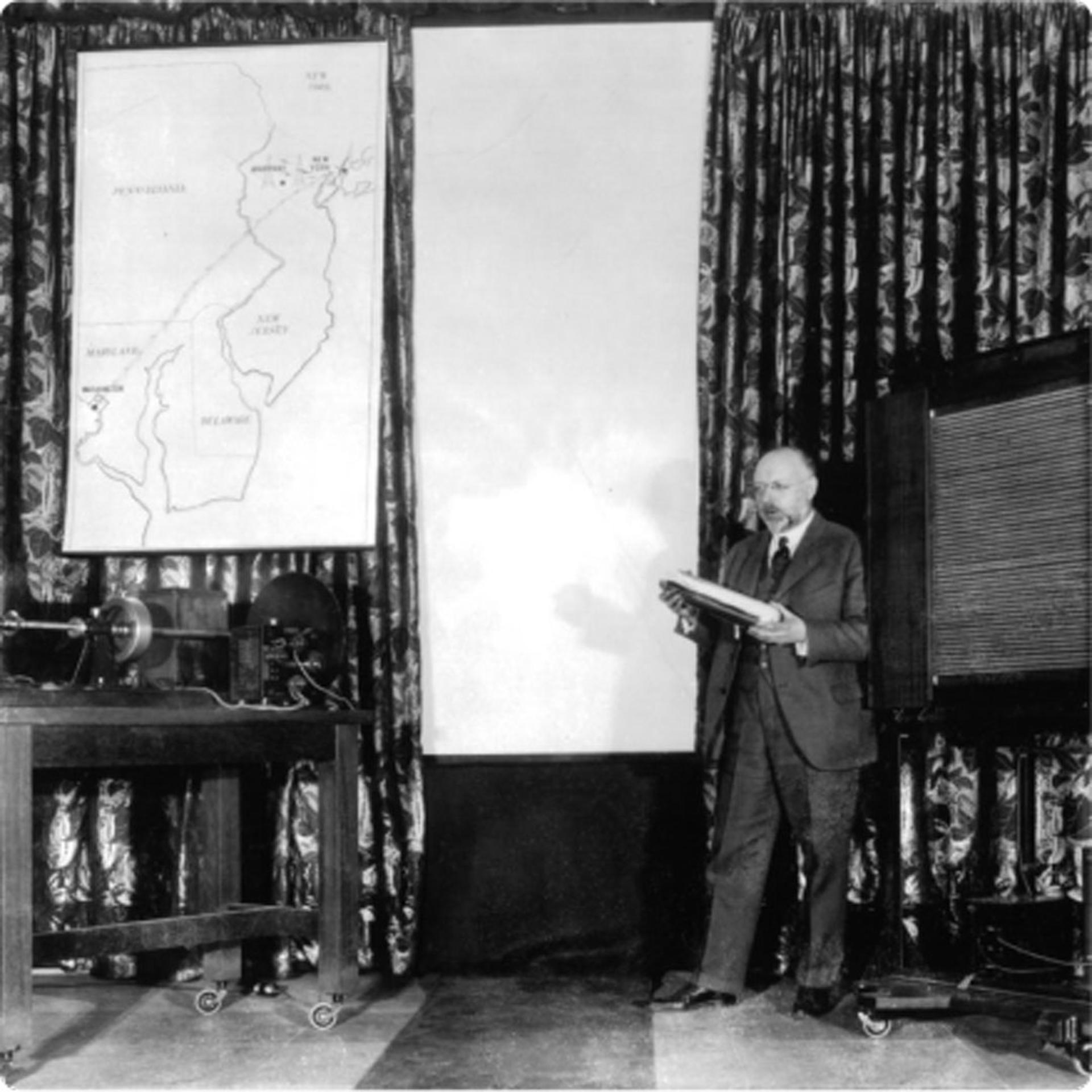
Our research enables the first long-distance television transmission in the US.
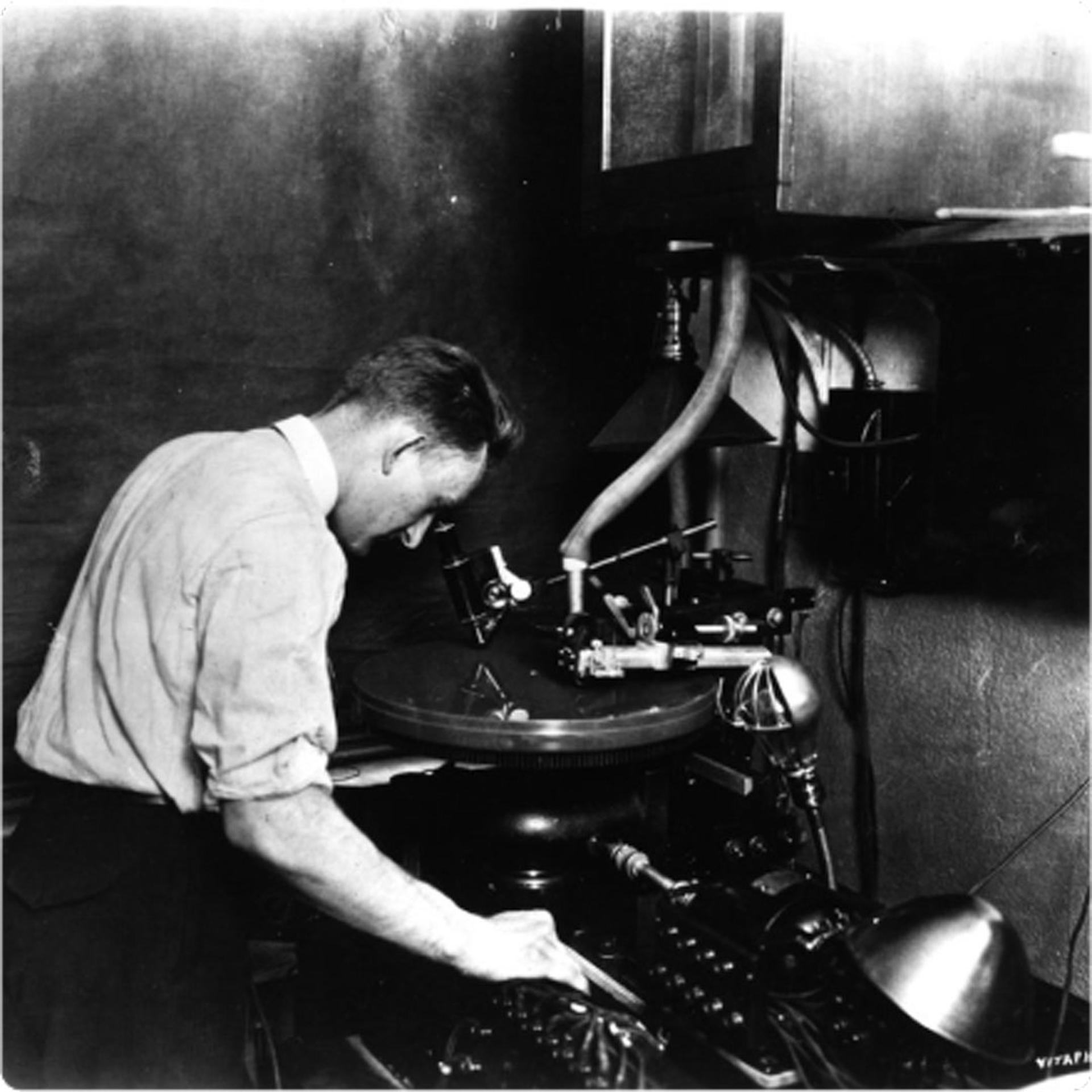
We develop high-fidelity electrical sound recording, and our equipment is used to create the first full-length motion picture with synchronized sound.
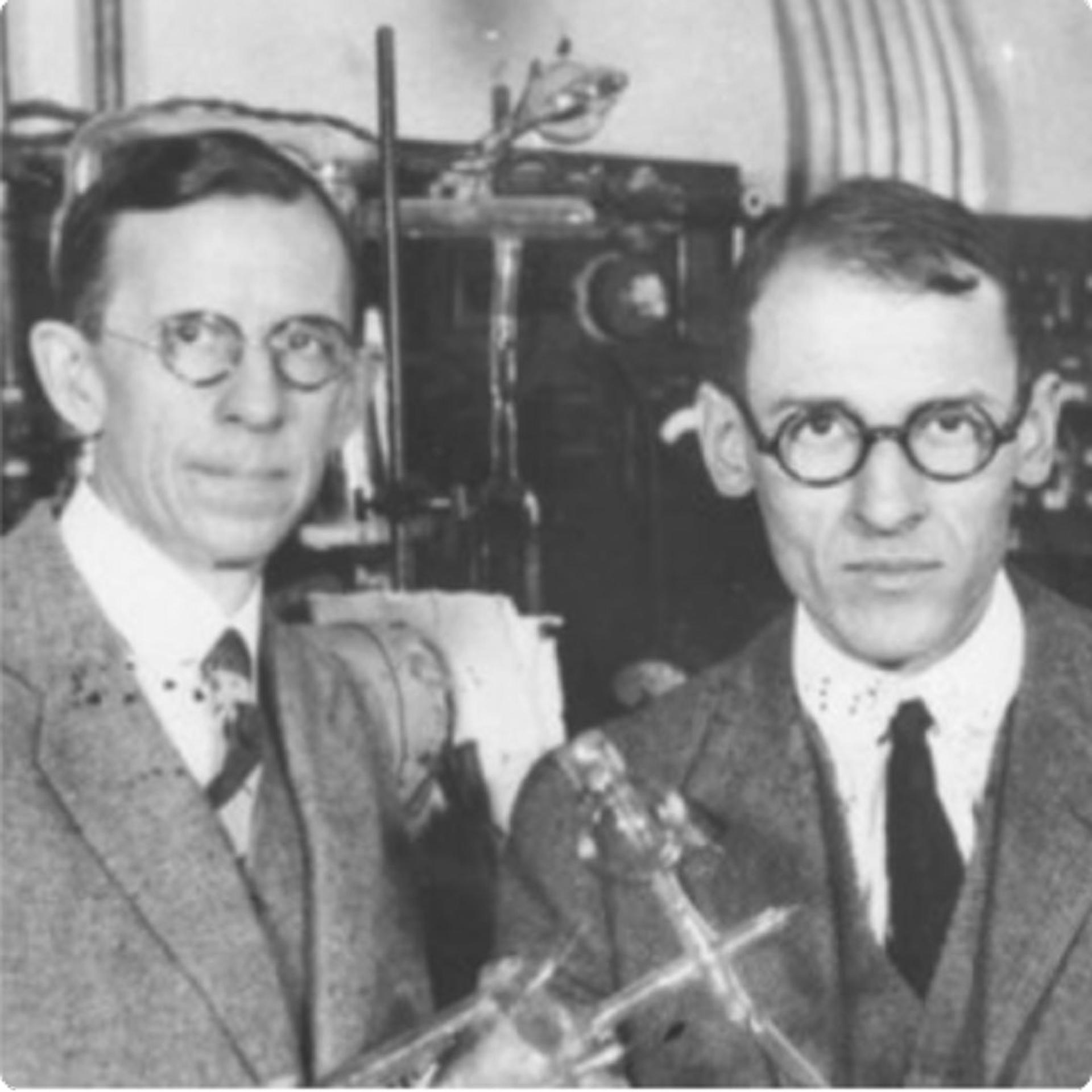
Bell Telephone Laboratories (now Nokia Bell Labs) is born from Alexander Graham Bell’s team of engineers and scientists, beginning a legacy of innovation that we carry on today.

Articles
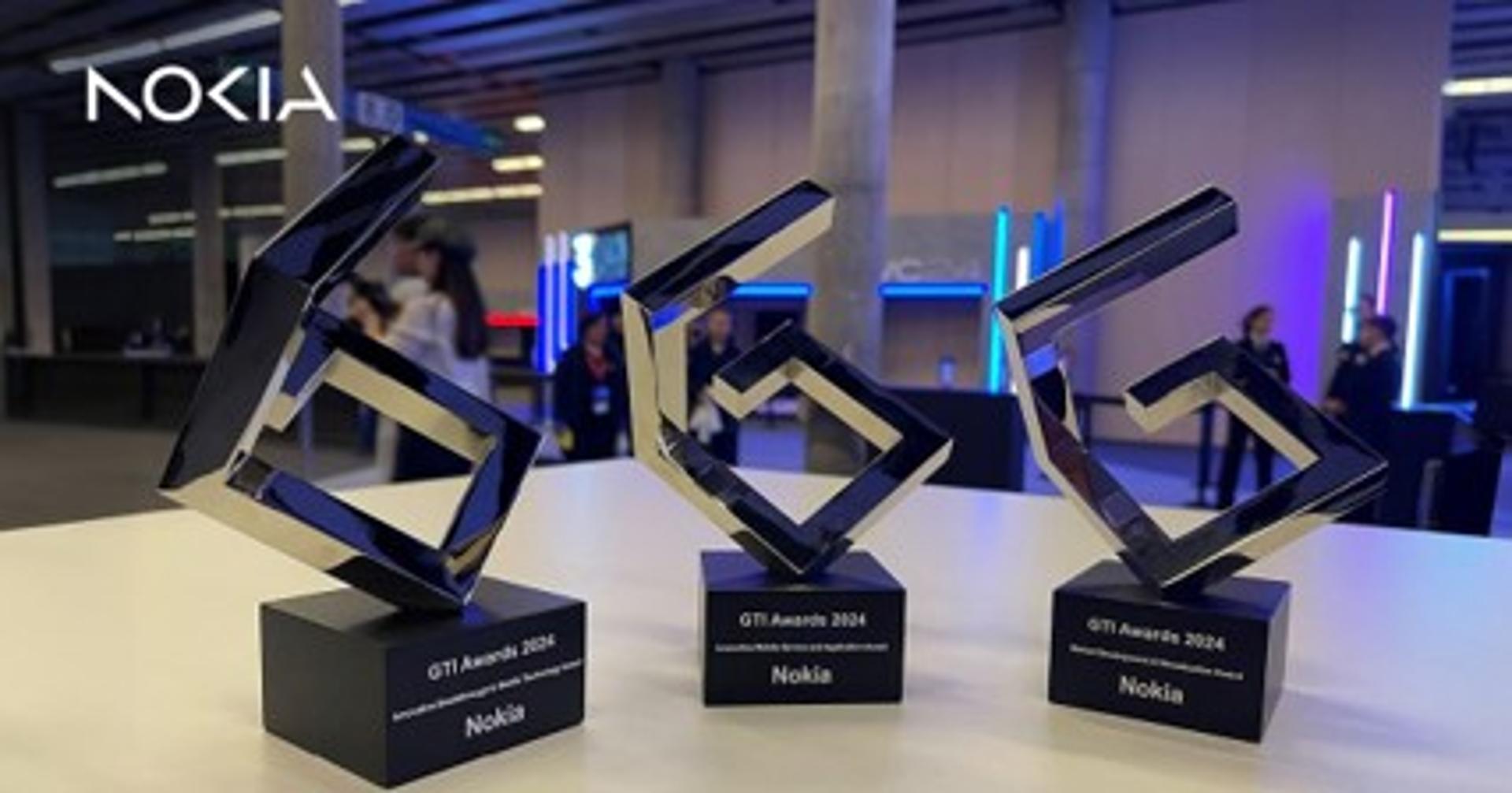
Nokia wins three 2024 GTI awards: Innovative Breakthrough in Mobile Technology Award Innovative Mobile Service and Application Award Market Development & Monetization Award

Awards
In 2026, 138 organizations are recognized for their unwavering commitment to business integrity.
 Nokia Bell Labs

Blogs
Nokia and Google Cloud lead the evolution of telecom through the co-innovation of new services in a secure, scalable, and sustainable multi-cloud environment.

Blogs
CCW 2023 featured innovative Nokia solutions and experts’ perspectives for public safety critical communications. Read our blog to learn more.

Blogs
In 2022, Nokia inventors and their standardization partners won an Emmy® for the standardization of HTTP encapsulated protocols. Read more on our blog!