
Nokia Ada Lovelace Honorees: Celebrating Women in Tech
At Nokia, we believe in the power of diversity and inclusion to drive innovation and progress. We are committed to fostering a culture where everyone, regardless of gender, has the opportunity to thrive and contribute their unique talents.
One way we are working towards this goal is through our Ada Lovelace program, which recognizes and celebrates the achievements of women in technology. This program honors women who are making significant contributions to the field, inspiring the next generation of female technologists.
From Rocket Launches to AI: Meet our Ada Lovelace Honoree 2026
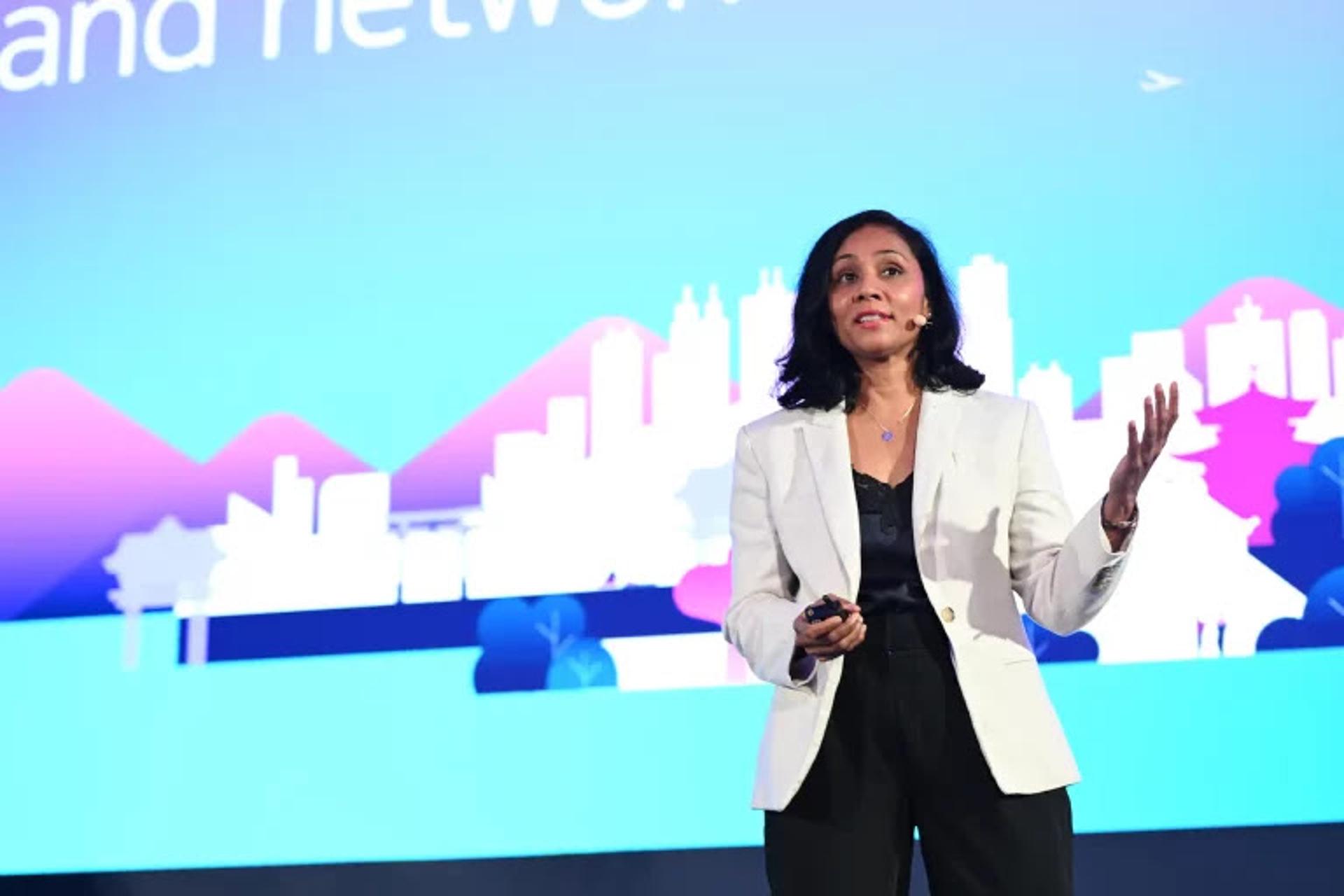
Not many people can say that they grew up watching rockets launch into space. But for Sireesha Kora, those childhood experiences sparked a lifelong love of technology – and a career that’s now helping to shape the future of AI at Nokia.
We're delighted to congratulate Sireesha, Head of Controller Applications and AI for Broadband Networks is our Ada Lovelace honoree 2026.
Meet our Ada Lovelace Honorees

2025 Ada Lovelace Honoree, Devaki Chandramouli

2024 Ada Lovelace Honoree, Afef Feki

2023 Ada Lovelace Honoree, Dr. Sanja Scepanovic

2022 Ada Lovelace Honoree, Ester Gonzalez-Sosa

2021 Ada Lovelace Honoree, Ragashree M C
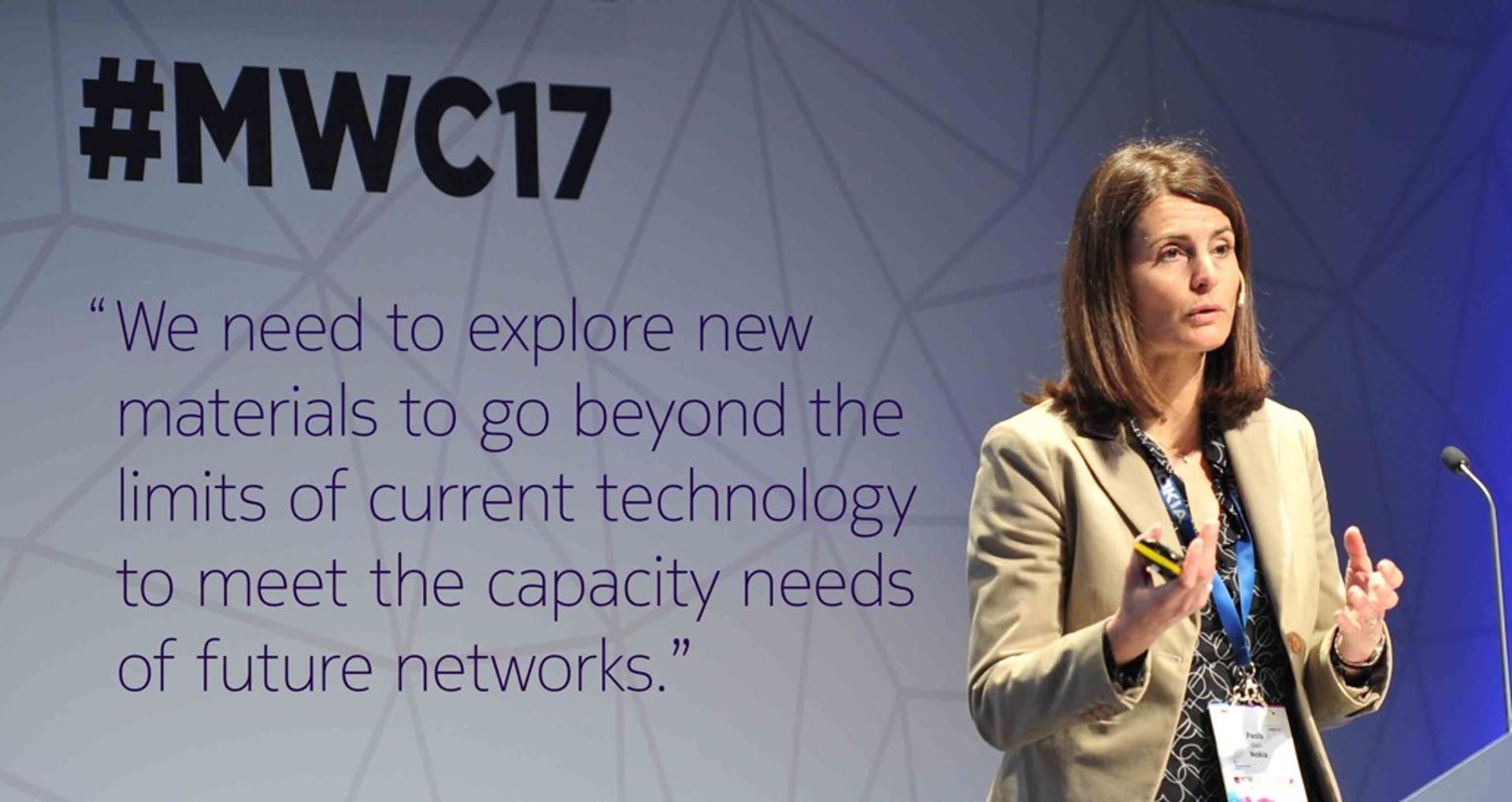
2020 Ada Lovelace Honoree, Paola Galli
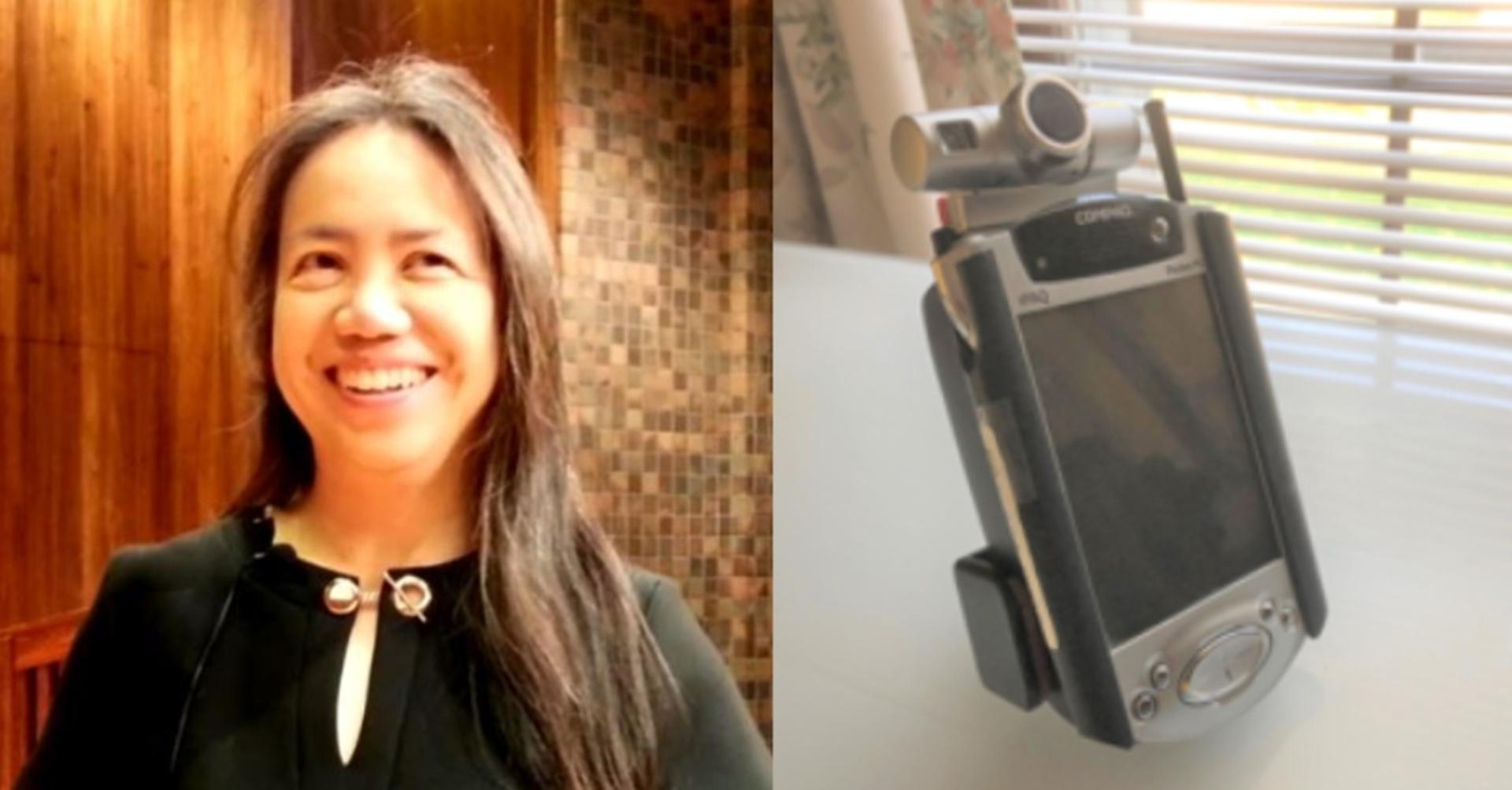
2020 Ada Lovelace Honoree, Anne Lee
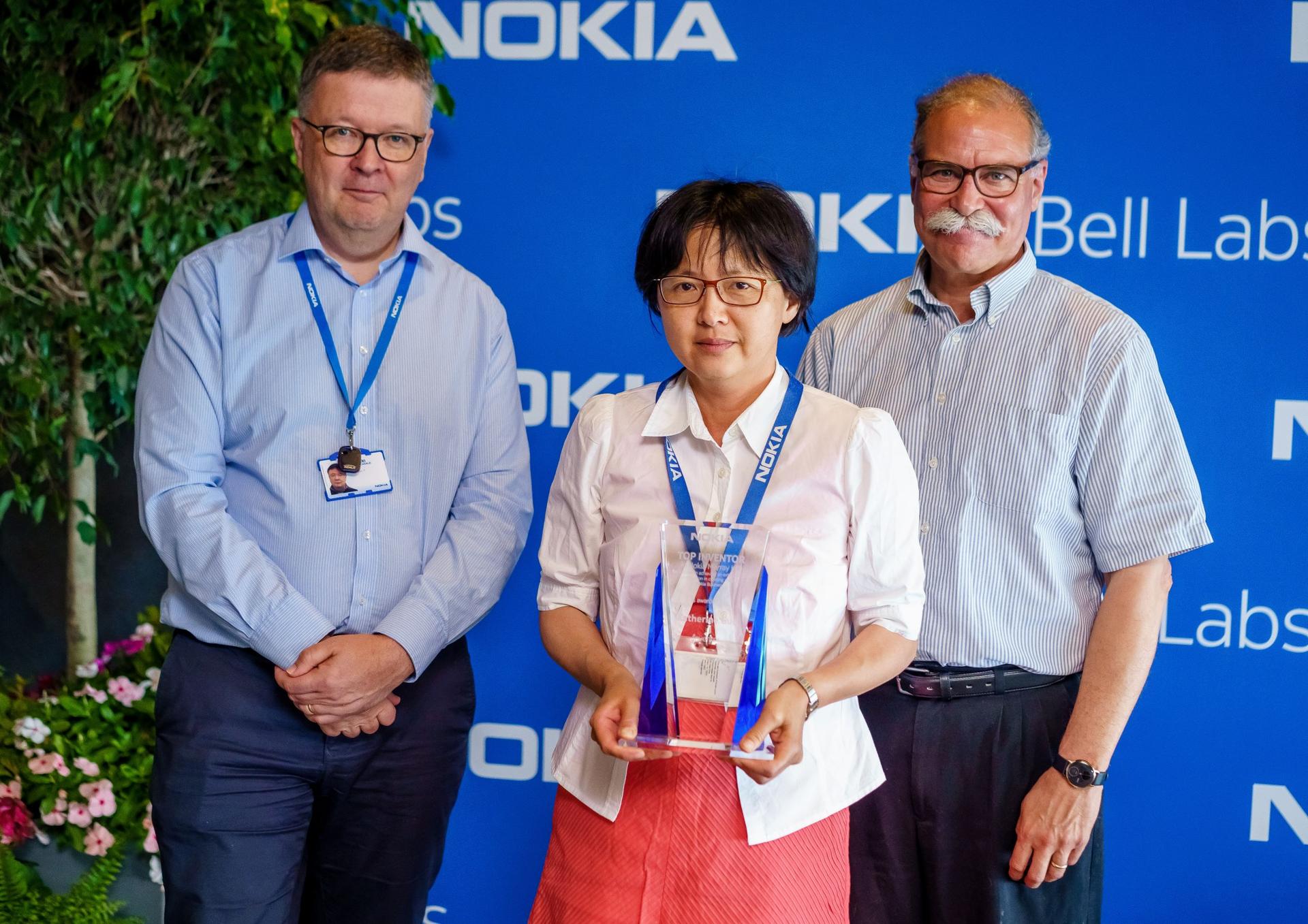
Nokia 2019 Ada Lovelace Honoree, Dr. Katherine Guo
Why Ada Lovelace?
Ada Lovelace, born Augusta Ada King, Countess of Lovelace, was a British mathematician and writer who is considered the first computer programmer. Born in 1815, she was the daughter of the famous poet Lord Byron. While her mother encouraged her education, she was also tutored in mathematics and logic.
In the 1840s, Ada met Charles Babbage, a British mathematician and inventor who was working on a mechanical general-purpose computer called the Analytical Engine. Ada translated a paper about the Analytical Engine from Italian into English, but she went far beyond simple translation. She added her own extensive notes, including a detailed algorithm for calculating Bernoulli numbers using the Analytical Engine. This is considered the first computer program ever written.
Ada's vision of the potential of computing went far beyond simple calculations. She envisioned a machine that could compose music, create graphics, and even play games. Her work laid the foundation for the modern computer age, and her legacy continues to inspire women in STEM fields.