Connectivity: The Backbone of Community Resilience During Extreme Weather Events
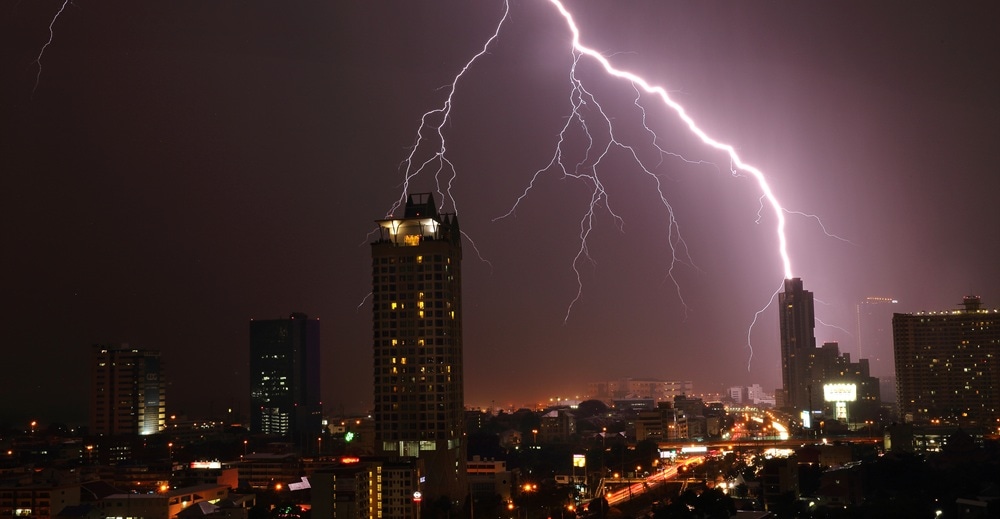
As the effects of climate change become more pronounced, extreme weather events such as hurricanes and droughts are happening more often and becoming increasingly severe. Failures across power, communications, transportation, healthcare, and emergency networks deepen the adverse impacts on communities and hinder their recovery, which is why protecting critical systems during crises is essential.
With extreme weather events expected to intensify in the coming decades, emergency responders and decision-makers must plan in advance to mitigate weather-related disruptions to the systems that keep people and communities safe.
As a provider of advanced connectivity infrastructure, Nokia operates at the intersection of society’s most essential services — from power to transportation, healthcare to emergency response, and more. Resilient connectivity is the glue that holds critical systems together and allows them to operate in tandem when crisis strikes.
Connectivity ensures resilient ecosystems
Resilient communities that can withstand crisis require four core infrastructure components functioning together:
- Weather intelligence to provide early warning signs of risk.
- Critical infrastructure such as telecommunications and utilities that maintain essential services.
- Emergency response coordination through public safety agencies, healthcare providers, and local authorities.
- Community resilience to support recovery through governments, NGOs, schools, shelters, and more.
If one part of the ecosystem breaks down, the ripple effects often cause cascading and worsening community impact. For example, a power outage may cause wastewater system failures that worsen flooding or a communications blackout that leaves residents and first responders in the dark.
Historic U.S. storms show how infrastructure failures can cascade. In 2012, Hurricane Sandy caused power outages across 18 states and disabled wastewater systems, worsening flooding and health risks. During Hurricane Helene in 2024, an alternative statewide radio network enabled Tennessee responders to coordinate a helicopter rescue after traditional radios failed.
The essential nature of network connectivity is putting pressure on telecoms to keep communities connected when crisis strikes, with five forces driving change:
- Financial risk
- Government pressure
- Social impact targets and community responsibility
- Ecosystem opportunities
- Brand and competitive positioning
Telecom providers faced public pushback following recent connection failures, including the 2025 Iberian Peninsula electricity blackout, which left more than 50 million people in Spain and Portugal without electricity for up to 16 hours and disrupted critical infrastructure just when it was needed most. The telecom industry was among the most affected. Internet traffic dropped roughly 90% in Portugal and 80% in Spain, and citizens lost access to mobile networks due to depleted backup power systems. Following the blackout, many telecom operators received criticism for their lack of preparedness and over-reliance on traditional power grids.
Storms Claudia and Kristin battered the peninsula months later, further exposing the vulnerabilities of the region’s telecom networks. Storm Claudia brought flooding and power outages to Portugal and Spain, while Kristin left over a million people without electricity and toppled thousands of telecom and electricity poles in Portugal. Since then, Spain has announced it will require telecoms to provide a four-hour minimum of mobile coverage during power outages, while Portugal’s telecom regulator recommended new network autonomy requirements.
Telecoms around the world are facing similar challenges. In addition to the communication challenges experienced during Hurricane Helene in the United States, the 2024 wildfires in Canada exposed the gaps in telecom infrastructure across North America’s remote areas. Through our own research with CGI, looking at disasters recorded 2015-25, we have seen that those US states with a Nokia footprint that have seen the highest number of disasters include Texas with 87 disasters in that period, followed by Missouri with 61, and Oklahoma with 58. These compounding events challenge telecoms to invest in preparedness and build resilience early.
The need for system-level action
The next generation of connectivity must therefore see resilience embedded from the start, taking into account how networks are designed, deployed, operated, and restored.
By prioritizing network resilience, telecoms safeguard themselves from future risks, ensure essential infrastructure services remain connected, and protect their communities in the process.
How Nokia’s AI-driven resilient connectivity approach enables ecosystem coordination
As an advanced connectivity technology provider, Nokia, working closely with Telco as well as other mission critical service providers, fosters ecosystem resilience in communities by providing the backbone infrastructure that ensures essential services — such as emergency response teams, hospitals, and government agencies — can communicate with one another. This covers everything from the foundational network technology through to sensing and detection, power continuity and edge resilience.
- Foundational networks. Nokia’s high-capacity fiber strengthens critical services, while satellite-integrated Non-Terrestrial Networks architecture helps maintain connectivity when terrestrial networks are disrupted.
- Sensing and detection. With customers and partners, Nokia is turning existing fiberoptic and 5G infrastructure into real-time sensing systems for disaster awareness and weather forecasting. Work with Skyfora, A1 and Telia Finland uses existing GNSS infrastructure, telecom cell towers, combining into a real-time, high-resolution weather-sensing network.
- Power continuity. Nokia is a trusted connectivity provider for utilities and power generation plants, enabling the critical stakeholders behind the global power grid to modernize their operations and respond more effectively to extreme weather. In New Zealand, Nokia is supporting an upgrade of the national grid operator Transpower’s central control network with the aim of improving energy resilience.
- Edge resilience. Nokia edge solutions keep mission-critical services connected during outages and cyberattacks. The Cognitive Operations platform and on-device Cognitive Edge Node turn emergency vehicles into distributed communications hubs, maintaining 5G, Wi-Fi and satellite links while sharing live field updates.
AI acts as a crucial enabling factor within Nokia, among network users, and across ecosystems, with potential applications from climate risk modelling to automated network restoration and resource prioritization during emergencies. Systems like the Nokia AI-RAN platform and MantaRay SON can predict and fix issues before they impact users, while AI-based digital twins enable communities to plan in advance, identify vulnerabilities, and take steps to fix them.
Systems-level partnerships to strengthen community resilience
On that last point, Nokia will be attending New York City Climate Week from 20-24 September, prioritizing resilience conversations with ecosystem players and so we’ll share actions and next steps in an upcoming blog. This will include a CGI Climate Working Session on Digital Resilience on Wednesday September 23rd. Check back for updates.