Nokia and stc flexibly boost network reach with Flying 5G Base Station
As networks evolve to meet growing digital demands, the ability to dynamically extend connectivity is becoming a powerful differentiator. For telecommunication providers, the challenge goes beyond simply building coverage; it’s about monetizing it in new and flexible ways.
At Nokia, we are advancing connectivity by helping telecommunication providers evolve how and where networks are deployed, and what those networks can deliver.
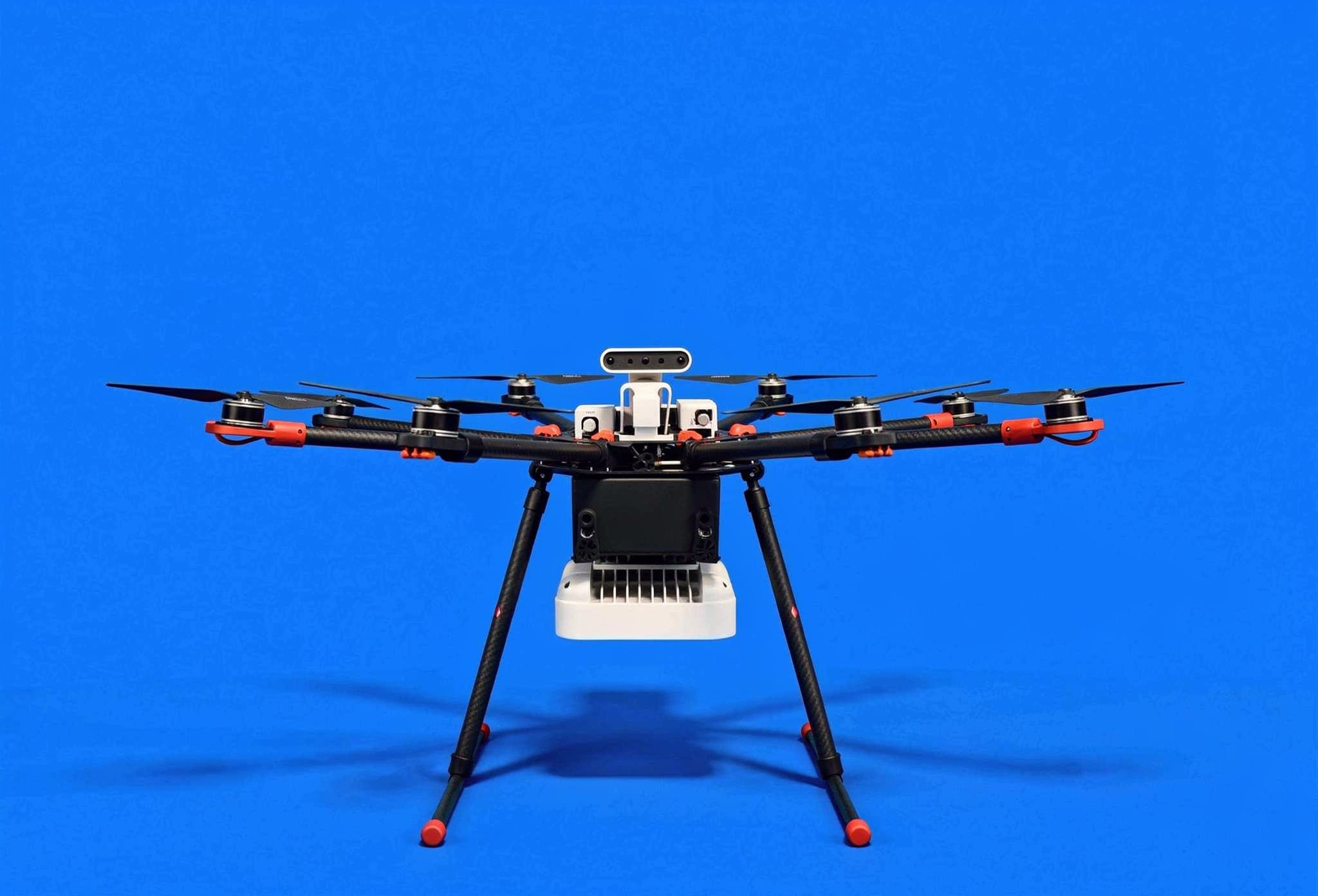
In collaboration with stc group, the leading digital enabler in Saudi Arabia, we are exploring mounting 5G radio access network (RAN) equipment on a drone to create a flying base station. This distinctive mobility innovation opens new possibilities for coverage and service delivery, bringing reliable connectivity, wherever needed most.
From coverage gaps to revenue opportunities
The challenge is clear: delivering consistent, high-quality connectivity at large-scale events, where demand can surge beyond the limits of fixed infrastructure.
stc group’s pilot shows how innovation can change that equation, bringing additional capacity, exactly where required.
By enabling rapid, near on-demand connectivity, telecommunication providers can bring 5G services to newly accessible locations, transforming connectivity challenges into monetization opportunities.
This includes scenarios such as:
- Temporary events or seasonal demand spikes
- Emergency or mission-critical situations where rapid deployment is essential
- Remote or rural locations without existing infrastructure
Rather than viewing these scenarios as complex or low-return, telecommunication providers can approach them as targeted opportunities to boost their footprint and unlock new revenue streams, while delivering positive customer outcomes.
A more flexible way to deliver 5G
At the heart of this approach is a lightweight, airborne cell that integrates 5G RAN with flexible backhaul options, including 4G, 5G, fiber and satellite, which can be deployed quickly and positioned exactly where it’s needed.
That flexibility is key. It allows telecommunication providers to respond in real time, whether that’s boosting capacity in a high-demand area or bringing connectivity to a location that wasn’t otherwise reachable.
This enables:
- On-demand service delivery, aligned to real-time demand
- Harnessed revenue opportunities, enabled by rapid deployment capabilities
- Scalable coverage extension, without permanent infrastructure investment
Importantly, stc group’s pilot also demonstrated the practical feasibility of this concept. In early trials, the flying base station was powered directly from the drone with a compact and lightweight payload designed for aerial deployment. Backhaul connectivity was established to connect wirelessly with macro and core network, validating how the solution can integrate with existing network infrastructure in real-world conditions.
These initial trials aimed to confirm that reliable 5G connectivity can be delivered from an airborne platform while maintaining operational efficiency.
Driving regional innovation with stc group
Drone-based connectivity is an emerging concept, and stc group is among the first telecommunication providers in the region to pilot this type of deployment. This achievement marks a significant step, both technologically and commercially.
The pilot demonstrates how telecommunication providers can:
- Deliver differentiated connectivity experiences
- Strengthen their competitive positioning
- Expand service reach beyond traditional boundaries
- Capture new customer segments
This demonstrates how innovation can drive meaningful impact by applying new capabilities in the right context, in turn delivering immediate, market-relevant outcomes.
Advancing connectivity and monetization through innovation
As the telecommunications industry continues to evolve, telecommunication providers are looking for smarter ways to consistently deliver an optimal user experience. For instance, flying base stations show how flexibility, reach and monetization are closely connected.
With drone-enabled 5G coverage, telecommunication providers can support applications such as real-time video, advanced analytics and mission-critical communications. These capabilities create the foundation for premium, differentiated services and unlock new revenue streams.
Nokia and stc group’s collaboration is a tangible example of how advancing connectivity can likewise advance business outcomes, transforming challenges into scalable, revenue-generating opportunities.
Learn more about how Nokia is helping telecommunication providers unlock new revenue streams and business models on our Monetization webpage.