How AI is boosting network deployment and integration
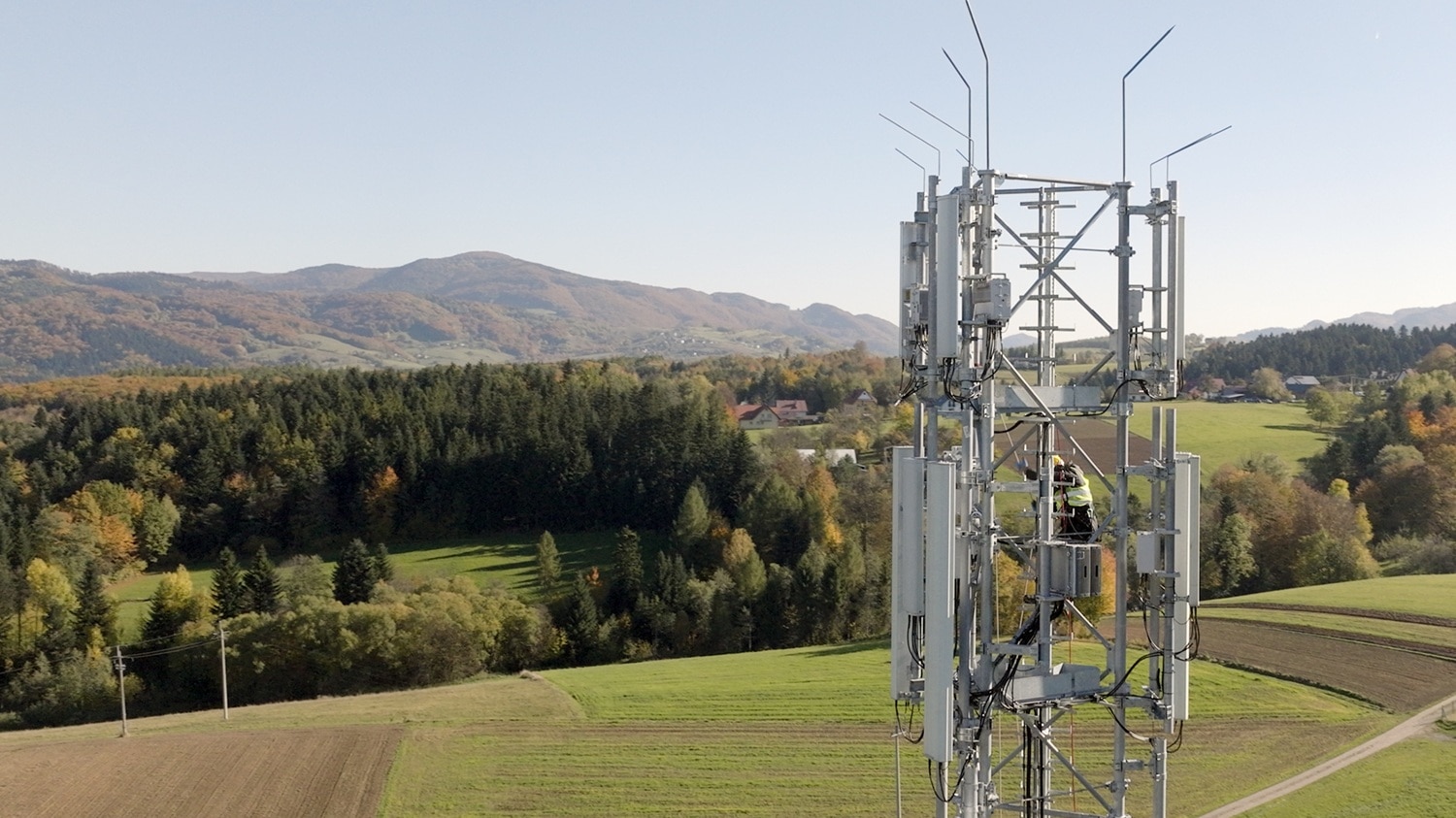
Network deployment and integration have always been among the most complex parts of the telecommunications business — and today, that complexity matters more than ever. Every re-scheduling, quality issue or safety risk can delay revenue realization and affect end customer experience. Whether we are deploying radio networks or integrating core networks, successful execution depends on multiple organizations and partners working in sync, often under significant pressure to deliver faster time to monetization for the customers.
At the same time, field operations can bring additional safety and operational risks, especially in challenging environments like remote high-altitude locations. Every day, our project teams work through countless issues and obstacles to deliver on time and with the quality our customers expect.
This is where I see a major opportunity for AI-driven automation. By combining AI and digitalization, we can help project teams deliver faster and with better quality while reducing manual effort, improving consistency and focusing more of their expertise on customer engagement, decision-making, control and verification.
To make sure these use cases are grounded in real delivery needs, we work closely with our project management community. That collaboration is essential. It helps build a shared understanding of what AI can do, where it can create value and how teams can adopt it with confidence. As these capabilities move into production through wider availability of our Agentic AI platform, AI agents will increasingly offload time-consuming, lower-value tasks from our experts.
A few examples show how AI can improve deployment quality, speed and safety across the delivery lifecycle:
AI-driven Nokia Delivery Platform: This integrated platform acts as a central hub for managing complex projects, from planning and resource allocation to execution and monitoring. With embedded AI/ML capabilities, it is evolving to automate routine tasks and optimize workflows, helping ensure projects are delivered on time, within budget and to the highest standards. As a result of our digitalization of Deploy & Integrate services, first-time-right installation rates have improved by 25%, while time to market has decreased by 30%.
Technical site surveys: Digitalization, combined with drone-based automation and AI/ML, is transforming site surveys. Computer vision can automatically identify and catalogue equipment, antennas and infrastructure from images or video captured during site visits. This accelerates the process while improving accuracy. Integrated with digital site twins, it enables continuously updated site representations, reducing costly site visits and improving planning precision.
Automated audits for compliance and quality: AI-powered audits can analyze large volumes of project data, documentation and visual evidence, such as drone-captured site photos, to identify deviations, risks and improvement areas. This enables continuous monitoring and proactive issue resolution, significantly reducing manual effort. Notably, our AI-based site inspector has already demonstrated that it can surpass human-level accuracy and analyze hundreds of images consistently, day after day.
Smart and secure crew management: AI-driven face recognition streamlines and automates field team check-in and check-out processes, while adhering to the legal privacy guidelines each region has. This ensures accurate attendance, enhances security and provides real-time visibility into workforce deployment, helping make sure the right people are in the right place at the right time.
Non-negotiable safety compliance: Safety remains our top priority. AI/ML supports compliance with health and safety protocols by detecting proper use of personal protective equipment through computer vision. It can also identify hazards using mobile cameras, providing immediate feedback and reducing risk. Looking ahead, we are exploring further automation through drones and robotics, with the ultimate goal of minimizing or even eliminating human exposure to hazardous tasks.
AI-assisted field checks for technicians: AI empowers field technicians with real-time guidance, from identifying issues to verifying installation procedures and reducing delays. By leveraging live video feeds, intelligent knowledge bases and highly accurate digital site twins, AI enhances first-time-right performance and reduces dependency on support centers during large-scale rollouts.
AI-driven design and test case development: AI can accelerate design development by generating drafts of high-level design documentation based on customer discussions, workshop notes and existing reference materials. It can also assist in creating lower-level design, helping teams move faster. In addition, AI can generate test cases to validate the integration of network hardware at site level, accelerating site acceptance while improving consistency in complex multi-vendor environments.
These are just a few examples. We already have more than 50 use cases for the Deploy & Integrate unit prioritized for inclusion in the Agentic AI automation platform. I expect this number to grow as we see that the new platform is more widely used.
One thing is clear: deployment complexity is here to stay. But by applying AI in practical, delivery-focused ways, we can support faster, safer and more consistent rollouts. For telecom operators, this can translate directly into faster monetization, lower risk and more predictable delivery outcomes.
To see how these capabilities can help accelerate, simplify and de-risk your next network rollout, explore Nokia Deploy & Integrate services website and follow our upcoming updates on the blog and social media.