Decarbonizing the Value Chain
People and Planet impact snapshot

tin, tantalum, tungsten, and gold traceability to the smelter level in our supply chain in 2025 (2030 target of 98% traceability)
reduction in supplier emissions in 2025 from 2019 baseline (42% reduction for final assembly)
of Nokia key suppliers in 2025 responded to CDP’s climate disclosure request
Our accelerated decarbonization plan introduced in 2024, targets net-zero greenhouse gas emissions across our entire value chain by 2040.
With around 9800 suppliers in more than 100 countries in 2025, this is not easy, but we are making progress. As of 2025, our suppliers reduced their emissions by 66% from a 2019 baseline, with final assembly emissions declining by 42% also from a 2019 baseline.
We’ve also worked to ensure sustainable operations among our suppliers as much as possible. Of all our key suppliers, 65% responded to CDP’s climate disclosure request, with 82% receiving a ‘satisfactory’ sustainability score in Nokia’s assessment programs in 2025.
We are working within three primary areas to decarbonize our value chain:
- Annual CDP Climate program: Building supplier capability and strengthening climate management systems, emissions measurement, target-setting and disclosure.
- Targeted decarbonization roadmap and transition-plan reviews: Working with carbon-intensive supplier segments to align Scope 1, 2 and 3 plans with Nokia’s net-zero pathway and identify practical emissions-reduction levers.
- Industry collaboration: Advancing more systemic approaches to address shared decarbonization challenges, improve data transparency and accelerate value-chain emissions reductions through industry bodies like the Responsible Business Alliance, the Joint Alliance for CSR, CDP and EcoVadis.
Collaborating with our suppliers as partners
We are collaborating with our suppliers as partners to identify environmental risks, find sustainable solutions, and drive improvements. This includes providing detailed feedback, conducting webinars and training sessions, agreeing on corrective actions, and encouraging participation in industry initiatives. We also incorporate responsible minerals performance into supplier audits and evaluations.
Because manufacturing integrated circuits and printed circuit boards are among the most carbon-intensive parts of our upstream supply chain, we are working more closely with key suppliers in these carbon intense categories representing more than 90% of relevant spend. Through tailored webinars, roadmap reviews and supplier deep dives, we assess how their Scope 1, 2 and 3 plans align with Nokia’s net-zero pathway and identify the levers needed to reduce product embodied emissions.
This work also addresses persistent data gaps—particularly upstream Scope 3 emissions, foundry-level visibility for semiconductors and the abatement of process gases such as perfluorocarbons—and is intended to strengthen the integration of decarbonization performance into supplier reviews, sourcing decisions and category strategies.
The program combines supplier surveys, webinars, one-to-one roadmap discussions, data-quality improvements and deep dives with priority suppliers, while working with sourcing and R&D to address barriers such as material availability, purity and strength, cost, traceability and product specifications.
Increasing recycled content and identifying risks associated with mineral extraction and processing
Increasing recycled content can lower embodied emissions, reduce demand for virgin raw materials and strengthen supply-chain resilience. We are also accelerating the use of recycled materials in Nokia-designed mechanical parts, where material volumes and environmental impacts are greatest. Our 2030 targets are to exceed 90% recycled content in cast aluminum and reach 50% in wrought aluminum, steel, copper alloys and polycarbonate plastics; in 2025, recycled content in cast aluminum reached 52%.
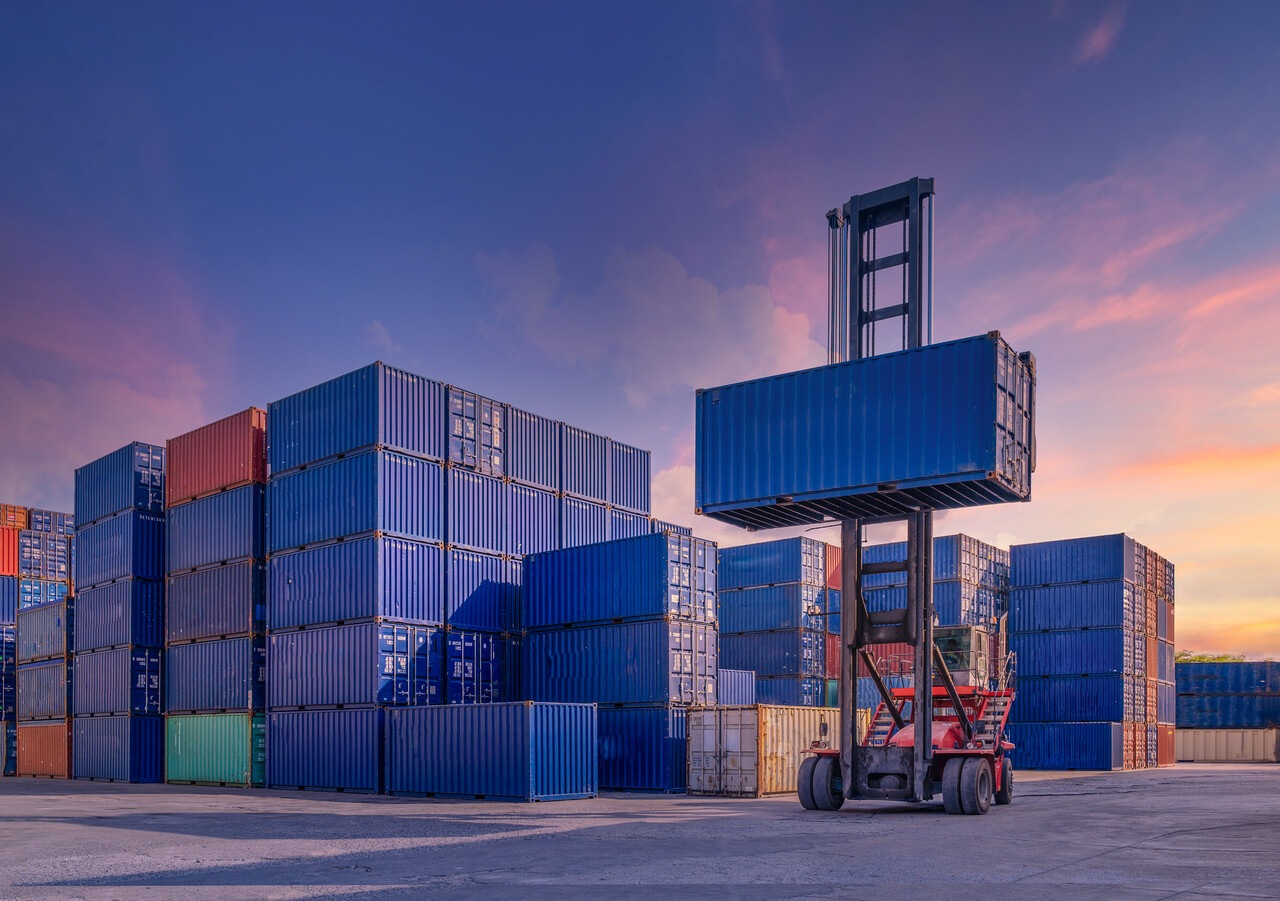
We work with our logistics suppliers to reduce transportation emissions by accelerating the adoption of lower-carbon fuels, including biofuels, while pursuing further levers such as improved load efficiency, route optimization and lower-emission transport modes.
Advancing responsible mineral sourcing
Nokia also utilizes supply chain mapping, supplier declarations, and third-party assurance programs to identify the environmental, social, and human rights risks associated with mineral extraction and processing. In 2025, we expanded this work to include cobalt, mica, copper, and aluminum as we also begin to map our lithium supply chain. The inclusion of these minerals were in addition to due diligence measures already implemented for tin, tantalum, tungsten, and gold (3TG) where we have a 2030 target of 98% 3TG traceability Supplier Performance Evaluation (SPE) scores by 2030.
Responsible sourcing due diligence
We conduct responsible sourcing due diligence to reduce the risk that minerals used in our products do not contribute to environmental harm, human rights violations, armed conflict, or corruption. Our approach aligns with the OECD’s Due Diligence Guidance and relies on supplier reporting, smelter and refiner mapping, risk assessments, audits, and recognized third party validation programs.
This year, we’ve extended our due diligence work beyond traditional conflict minerals, enhanced our supplier reporting, and continued to phase out non-conformant smelters as we consistently assess our suppliers’ responsible sourcing practices.
In 2025, Nokia worked with our logistics partners to start using renewable diesel (HVO) for shipments from Saudi Arabia, achieving a 90% reduction in road transport emissions in comparison to the diesel equivalent.
Learn more

Sustainability