AI-native connectivity as the digital backbone of system resilience
People and Planet impact snapshot
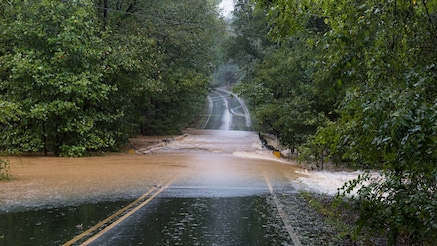
Climate assessments report increasing risks from extreme weather events like heatwaves, floods, storms, and wildfires which are becoming more frequent and severe worldwide. This development creates operational risks for critical infrastructure and public service networks. As an advanced connectivity provider, Nokia supplies connectivity technologies used by organizations operating critical services. These technologies are used in selected communications networks serving sectors such as energy, transport, public safety and healthcare.
Nokia’s mission-critical and private wireless networks can support public safety and system resilience. For example, in San Diego, the second-largest city in California and the eighth-largest in the United States, the deployed network is designed to support integrated communications for authorized public safety users, with specified security and redundancy features with the objective of supporting regional interoperability among participating systems. The network topology aims to ensure enhanced redundancy during specified adverse events and disruption scenarios such as wildfires, earthquakes, and other emergencies to enable business continuity and the protection of communities.
To support system resilience in the face of the risks that extreme weather can pose to communities, businesses and infrastructure, Nokia has developed connectivity infrastructure incorporating selected AI-enabled capabilities that can help participating critical ecosystem service organizations to maintain communications, subject to network design, power availability and deployment conditions.

Nokia’s AI-native Network Digital Twins for example, use virtual replicas of real-world systems to enable customers to monitor their operations and help identify indicators associated with maintenance needs and potential downtime. This can support network operators’ contingency planning for weather-related disruptions to communities. The technology underpinning digital twins can also carry benefits for worker wellbeing, as they may also support operational health and safety processes. For example, the Hazard Detection Lens, an AI-based automation designed to support specified health and safety verification tasks for field operations, can help identify site hazards.
As communities face increasing disruptions from extreme weather, connectivity serves as the crucial backbone that enables ecosystem services like public safety, transportation, energy, and communications to operate in tandem when crisis strikes. Nokia will continue to collaborate with - and learn from - our customers and ecosystem partners in communities around the world with the aim of building resilience now and into the future.




Learn more

Video