Nokia launches Nokia RAN Digital Twin to turbo‑charge AI-native 6G, powered by NVIDIA Aerial Omniverse Digital Twin
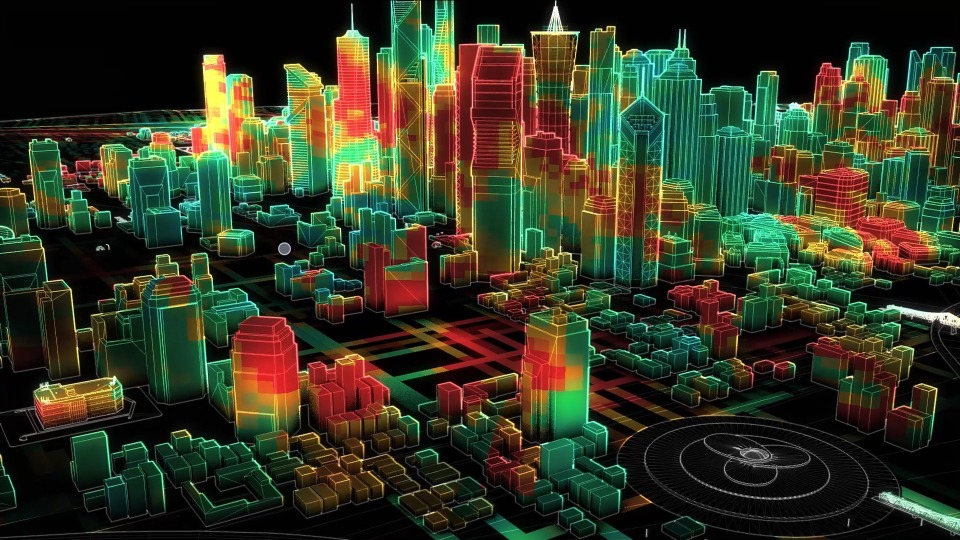
SAN JOSE, Calif. — NVIDIA GTC — Nokia announced a significant advancement in wireless network simulation with the launch of its Nokia RAN Digital Twin. Built on the NVIDIA Aerial Omniverse Digital Twin (AODT) platform, this system leverages AI and advanced ray tracing to provide physically accurate radio propagation environments for designing and optimizing next-generation networks.
As the telecommunications industry pivots toward 6G, the complexity of radio propagation, particularly in high frequency bands, demands simulation tools that go beyond statistical approximations. Nokia’s new solution addresses this by integrating a modular architecture that combines Nokia’s network expertise with NVIDIA’s photorealistic computing power, allowing simulation of radio wave interactions with unprecedented precision.
"AI-Native 6G will be born in simulation, and digital twins will be essential to the train-simulate-deploy-optimize lifecycle. With the modular architecture of NVIDIA Aerial Omniverse Digital Twin, part of the NVIDIA AI Aerial platform, partners like Nokia can fuse RAN expertise with physics accurate radio propagation—giving operators and researchers the confidence to design tomorrow’s networks long before the first 6G base station is built.”
— Soma Velayutham, Vice President, AI & Telecoms, NVIDIA
“Through the collaboration with NVIDIA, we are merging Nokia’s decades of radio leadership to build the most powerful system simulation engine by leveraging NVIDIA Aerial Omniverse Digital Twin. With the Digital Twin solution, we are drastically reducing the ‘concept-to-live’ cycle. We can simulate dense urban environments and complex use cases with greater accuracy to design and deliver next generation technologies—saving costs and accelerating adoption and deployment of the advanced AI innovations.”
— Bindhya Tiwari, VP, RAN Architecture & Systems Engineering, NOKIA
Why Physics-Based Simulation Matters
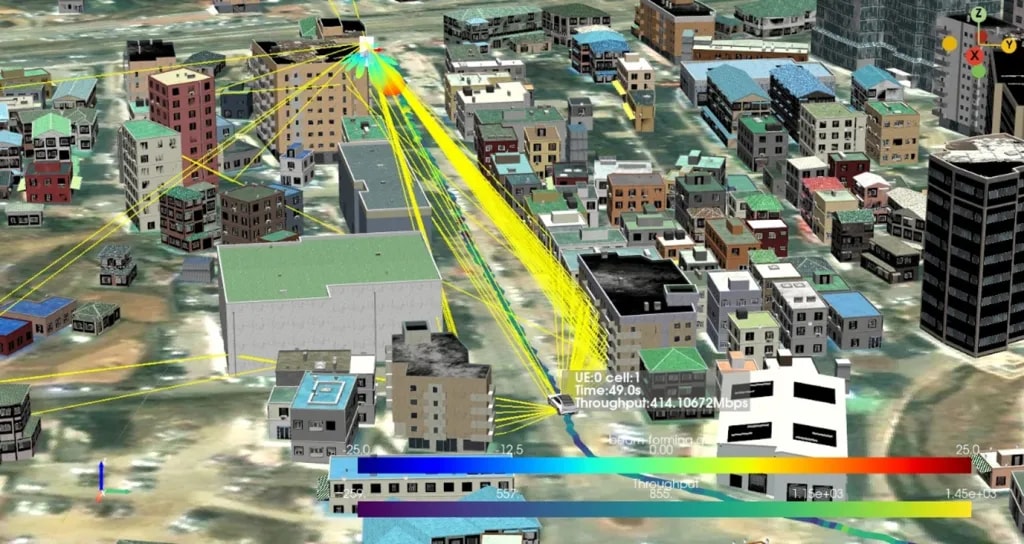
Traditional simulators rely on mathematical averages. But in the AI-Native 6G era, averages aren't enough. Nokia’s new solution addresses this by integrating a modular architecture that combines two worlds:
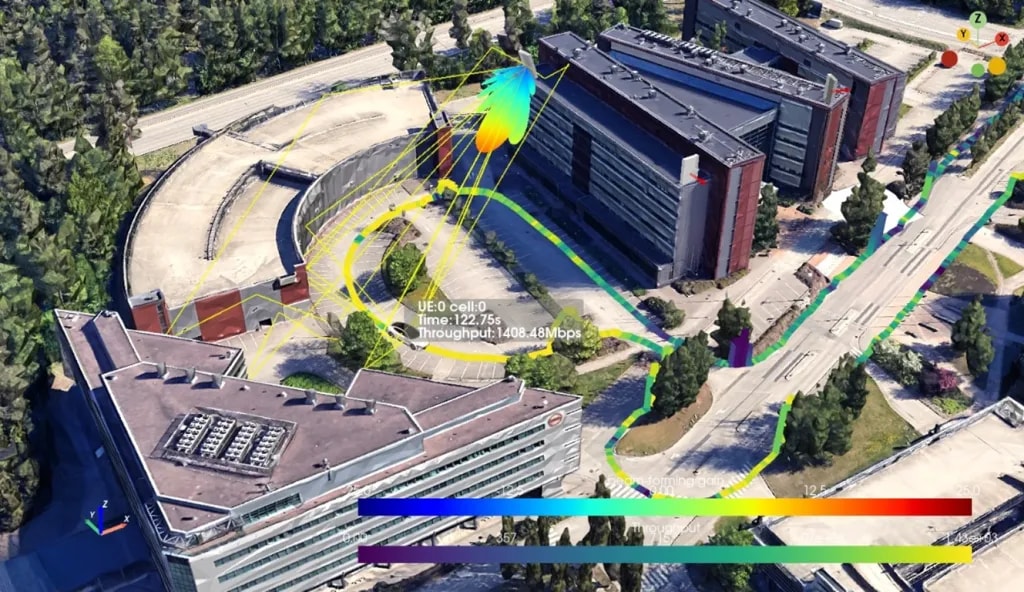
- Real-World Precision: Leveraging NVIDIA AODT, the system ingests high-resolution 3D maps and material data to calculate exactly how radio signals interact with physical objects.
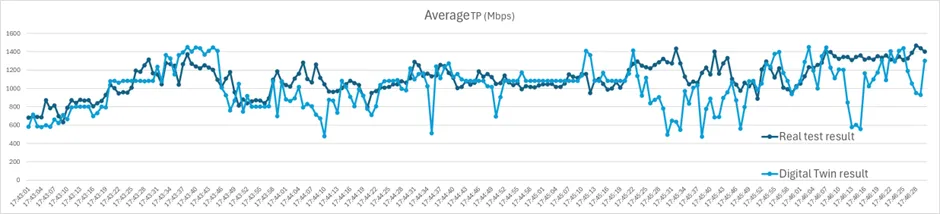
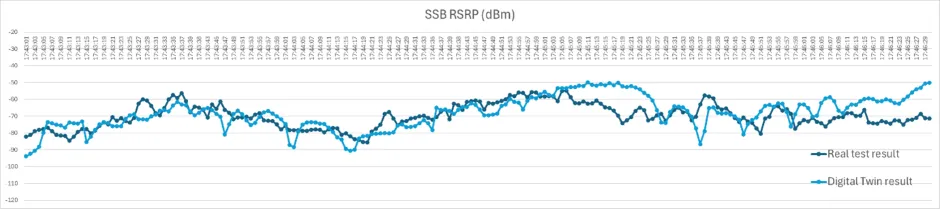
- Product-Level Realism: Moving beyond generic simulations, product-level modeling for User Equipment (UE) is integrated through collaborations with terminal manufacturers. This allows Digital Twin to account for the specific hardware behaviors of commercial devices, ensuring predictions mirror reality.
Real-World Use Cases
Where Digital Twin meets reality, this technology isn't just for theoretical research; it solves tangible deployment problems today and will be integral to full daily operations lifecycle for future networks:
- Beamforming Optimization in Dense Urban Areas: Operators can simulate how Massive MIMO beams will reflect off specific building materials (glass vs. concrete) in a downtown core, optimizing antenna placement to eliminate dead zones before a truck ever rolls to the site.
- High-Speed Mobility Scenarios: Testing connectivity for high-speed trains or autonomous vehicles requires complex Doppler effect modeling. This digital twin allows engineers to test handover algorithms at 300km/h in a virtual environment without the cost or safety risks of physical field testing.
- End-to-End Product Realism: We have moved beyond generic antenna patterns to full product-level modeling for both the Base Transceiver Station (BTS) and UE. This allows engineers to analyze how specific Nokia BTS beamforming algorithms interact with a specific handset's antenna design. For example, testing how a Massive MIMO array compensates for a phone held in "landscape mode" deep inside a crowded stadium.
Why This Changes the Game
- Smarter Spending: Operators stop guessing. They know exactly how many base stations they need and exactly where to put them, potentially saving millions in infrastructure costs.
- Faster Innovation: We can test "what if" scenarios for future 6G technologies that don't even exist in hardware yet.
- Better User Experience: By simulating the exact behavior of commercial devices, we ensure that when a customer unboxes their new 6G phone, the network is already optimized for it.
By building the network in a Digital Twin first, Nokia is ensuring that when 6G arrives, it’s ready for the real world!