

Research and education networks
Enabling collaboration, discovery and innovation with high-performance connectivity
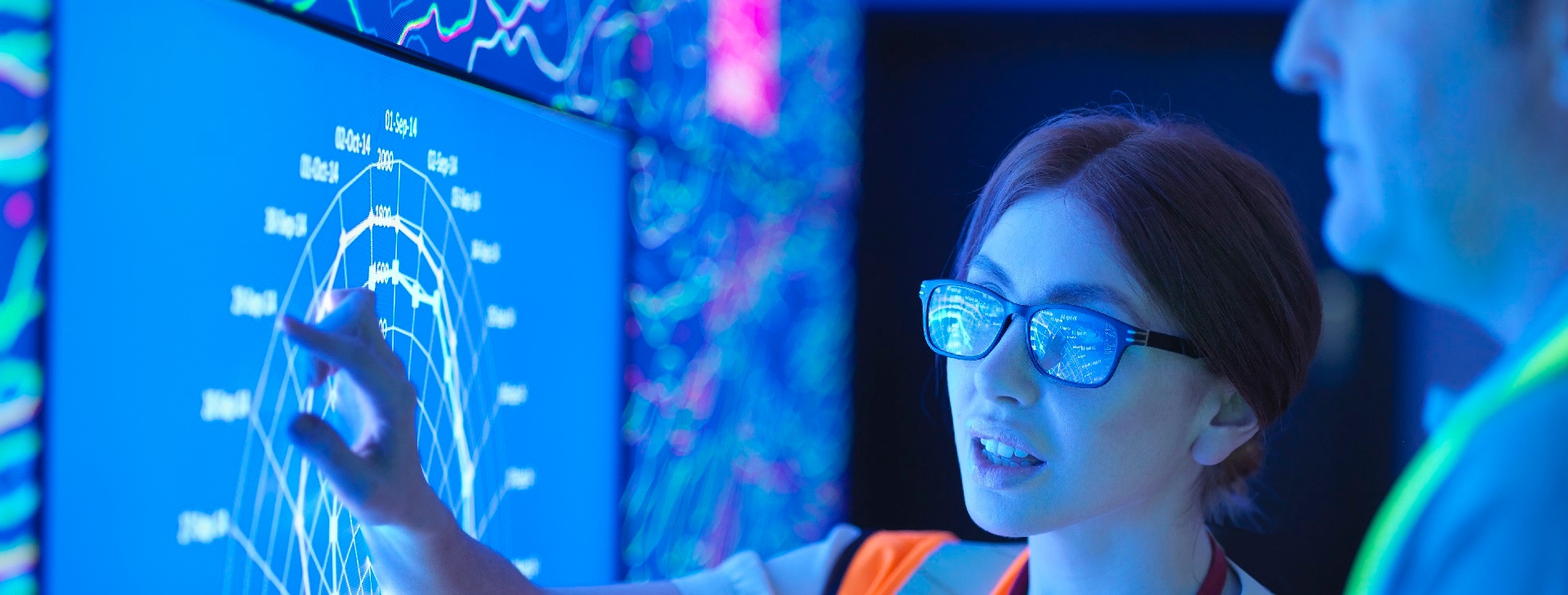
Build the research and education networks of the future with Nokia advanced connectivity
Research and education networks (RENs) play a critical role in connecting universities, research institutions, government agencies and scientific communities. Furthermore, they provide advanced connectivity for research infrastructure, including laboratories, high-performance computing (HPC) centers and emerging AI factories. As research becomes increasingly data-intensive, organizations require secure, scalable and high-performance networks capable of supporting collaboration, advanced computing and the exchange of large data sets. Modern research environments depend on reliable connectivity to support innovation, accelerate discovery and foster collaboration across institutions and geographic boundaries. By modernizing network infrastructure, research and education organizations can create a foundation for scientific advancement and long-term innovation.
Ensure connectivity with the highest levels of performance
Support growing research and AI demands while delivering high-performance, low-latency connectivity across geographically distributed institutions and international domains.
Minimize operational costs
Enable sustainable network growth to support research and innovation.
Assure security and sovereignty
Ensure cyber resilience and protect critical research infrastructure in the quantum era.
Explore our our research and education network capabilities
Discoveries: when fiber becomes a sensor. A field trial on tomography

Innovating the digital future of Renater with IMS Networks and Nokia
Why Nokia for research and education networks?
Nokia helps research and education organizations build the high-performance network infrastructure required to support scientific discovery, academic collaboration and AI-driven innovation. Our IP, optical and data center networking portfolio enables research institutions to move massive data sets efficiently, support advanced computing environments and connect researchers across regional and global communities. Nokia delivers scalable, secure and energy-efficient networking solutions that help research and education organizations maximize the value of their infrastructure investments while preparing for future demands.
Accelerate data-intensive research
Transport massive research data sets across high-capacity networks that support advanced scientific workloads.
Connect researchers and institutions globally
Enable collaboration across universities, government agencies, laboratories and research communities.
Scale networks for AI and advanced computing
Support high-performance computing, AI applications and next-generation research environments with industry-leading IP and optical technologies.
Improve efficiency and sustainability
Reduce power consumption and optimize infrastructure utilization with scalable, energy-efficient networking solutions.
Customer success stories

Customer success

Customer success

Customer success

Customer success

Customer success

Customer success
Customer success

Customer success

Customer success

Customer success
Frequently asked questions
Research and education networks provide the specialized connectivity needed to support collaboration, scientific discovery and academic advancement. Unlike traditional networks, RENs are designed to handle the unique demands of research institutions, including large-scale data transfers, high-performance computing workloads and international collaboration. They enable researchers to securely share information, access advanced resources and work together across institutions and geographic boundaries. As scientific research continues to generate larger and more complex data sets, high-performance networking becomes increasingly important to accelerating discovery and innovation.
Research and education networks can be split into three basic categories:
- International and federal RENs provide large-scale backbone infrastructure
- National Research and Education Networks (NRENs) operate at the country level
- Regional RENs extend connectivity and services closer to end-user communities
AI, machine learning and high-performance computing are significantly increasing the volume of data that research organizations generate, analyze and share. These technologies require networks capable of supporting massive data transfers, low-latency communications and scalable connectivity between computing environments, instruments and collaborating institutions. As AI becomes more widely adopted across scientific disciplines, research organizations need networking infrastructure that can efficiently support increasingly demanding workloads while maintaining security, reliability and operational efficiency.
Organizations should evaluate scalability, performance, reliability, security and operational efficiency when planning network modernization initiatives. Research environments often must accommodate growing volumes of scientific data, evolving computational requirements and increased collaboration across external institutions. Modernization strategies should also consider long-term technology evolution, sustainability goals and the ability to support emerging applications. A flexible and standards-based approach can help research organizations maximize the value of their investments while preparing for future requirements.
Collaboration is fundamental to modern research. Research and education networks provide the infrastructure needed to connect institutions, researchers, data repositories and computing resources across regional, national and international boundaries. By enabling secure information exchange and high-speed access to shared resources, these networks help organizations work more effectively together, accelerate the pace of discovery and support innovation across a broad range of scientific and academic disciplines. They also help extend access to specialized tools, expertise and research resources that may not be available within a single institution.
Learn more

Blog
Blog
Blog

Webinar

Video
Nokia Quantum-Safe Networks: Securing Networks for the quantum era
Blog
Blog

White paper
Get in touch with our research and education networks team
Please complete the form below.
The form is loading, please wait...
Thank you. We have received your inquiry. Please continue browsing.