

Multimedia technologies
Shaping the way the world experiences video, audio and immersive media

Innovation that captures reality
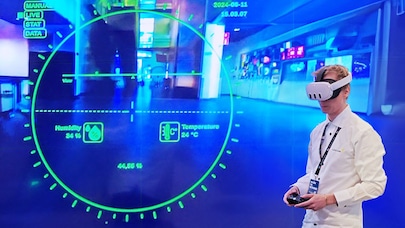
We have been at the forefront of multimedia innovation for over three decades, and Nokia’s contributions continue to revolutionize video, audio and immersive media standards and technologies. Every year, our fundamental inventions are implemented in over a billion new devices. And if a device or application offers video streaming, there is a high probability that it contains Nokia video coding technologies. Our multimedia technologies also enable immersive virtual, augmented and mixed realities over wireless networks, and our cutting-edge audio technologies provide superior sound quality and spatial-audio experiences.
More than 5000 multimedia inventions
From pioneering video compression like H.26x to cutting-edge spatial-audio codecs like IVAS, we have defined digital media since the dawn of the mobile phone.
6 Technology & Engineering Emmy® Awards
We have received the highest levels of recognition in multimedia innovation. The National Academy of Television Arts and Sciences has bestowed 6 Technology & Engineering Emmy® Awards upon Nokia and our partners.
Visit the Dream Room
Nokia researchers are constantly pushing the boundaries of multimedia immersion and realism. We’ve captured the essence of these new multimedia experiences in a video series called the Dream Room.
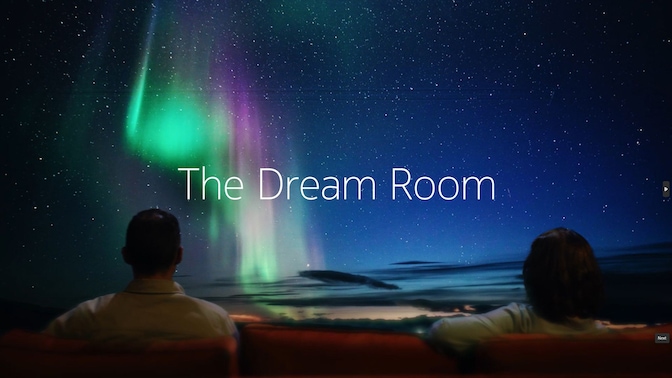
Experience full-fidelity streaming that keeps us present anywhere
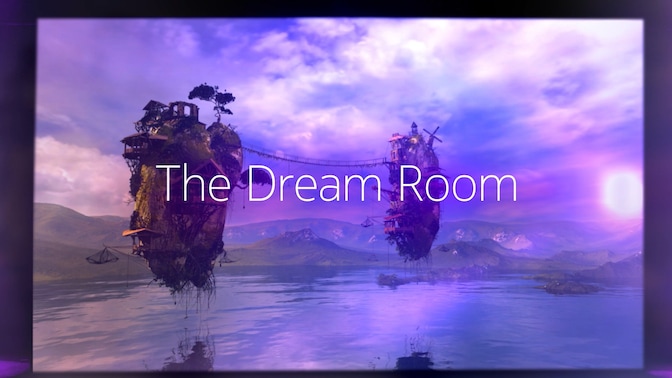
Game in a virtual world that mirrors the flow of reality
Explore the many facets of our multimedia portfolio
Multimedia research and standardization
From video and image compression to haptic sensing and computer vision, we have invested heavily in the technologies that capture reality.
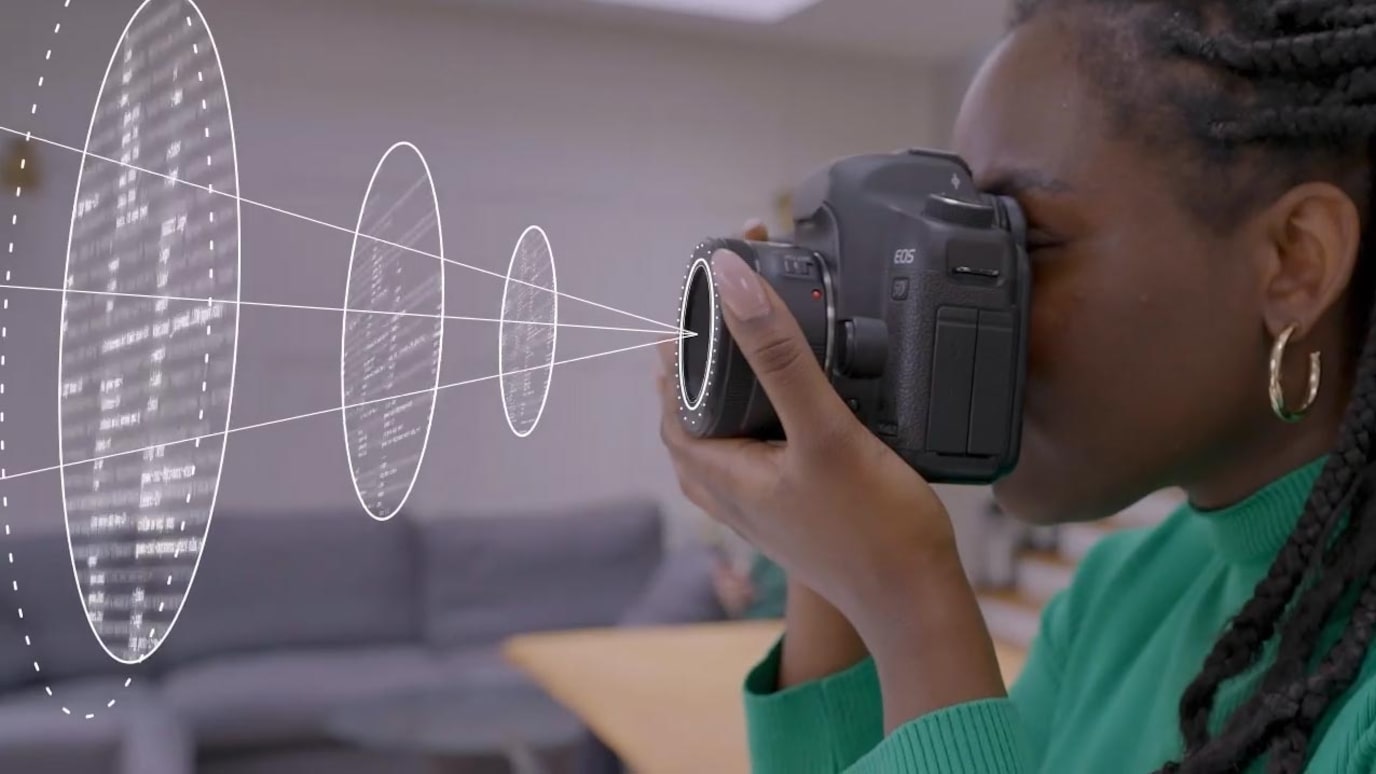

Audio technologies
Immersive voice, spatial audio and the next-generation phone call — the new possibilities for audio fidelity are boundless.
Instant immersive experiences with RXRM
Real-time eXtended Reality Multimedia (RXRM) combines 360° video and spatial 3D audio — a solution ideal for both industry and entertainment

Featured multimedia insights
See how Nokia’s innovations are transforming multimedia, paving the way for new immersive reality applications and enhancing the audio and video technologies we rely on daily.

Blog
Be your own director: Multiview Live Streaming with VVC
Multiview streaming lets viewers choose their own camera angles and follow the action their way.
Blog
Upgrading H.26x video coding features for the AI era
AI challenges our trust in video. VSEI version 4 sets new benchmarks for transparency, creative control and machine vision.

Blog
The future of immersive audio at #MWC26
Explore how immersive audio and IVAS tech are shaping next-gen XR and real-time communication at MWC 2026
Why partner with Nokia?
For more than 30 years we have invested heavily in multimedia R&D, defining many of the key technologies used in video and audio services. Without these innovations, streaming high-definition video over fixed and mobile networks would be impossible and digital audio capabilities would severely constrained. By working with Nokia, the immersive world of next-generation multimedia will be at your disposal.

Frequently asked questions
Video compression encodes video to reduce its size. Compressed video takes up less storage space and consumes less bandwidth when transmitted. Without video compression, a 3-hour 4K movie could take 15 days to download over a typical home broadband connection.
H.264, H.265 and H.266 are succeeding generations of video compression technologies. Each generation roughly doubled the efficiency of its predecessor, allowing the same video quality to be transmitted or stored using half the bandwidth or space.
- H.264 or Advanced Video Coding (AVC) was standardized in 2003 and is now the most widely used video format in the world. It drove standard and HD video streaming for a decade.
- H.265 or High-Efficiency Video Coding (HEVC) was introduced in 2013 to support the increasing demand for 4K video streaming and storage. It is now widely support on smartphones, web browsers, TVs and streaming platforms.
- H.266 or Versatile Video Coding (VVC) is the next-generation video standard. It supports not only the needs of 8K streaming but also immersive reality and 360° video.
MPEG-I is an immersive audio standard, the first to provide 6-degrees-of-freedom (6DoF) audio listening experiences. It lets you move naturally and interact with virtual or augmented worlds while fully immersed in ambient sound.
Immersive Voice and Audio Services (IVAS) is an audio codec that enables live spatial audio transmission across devices such as smartphones over 5G networks.
Learn more about Nokia's multimedia technologies

Blog

Blog

Blog

Blog
Video
Progressive Model Transfer: Efficient AI for Edge Environments

Blog
Blog
Video
A brave immersive world for audio communication
Want to learn more?
Please complete the form below.
The form is loading, please wait...
Thank you. We have received your inquiry. Please continue browsing.